Introduction
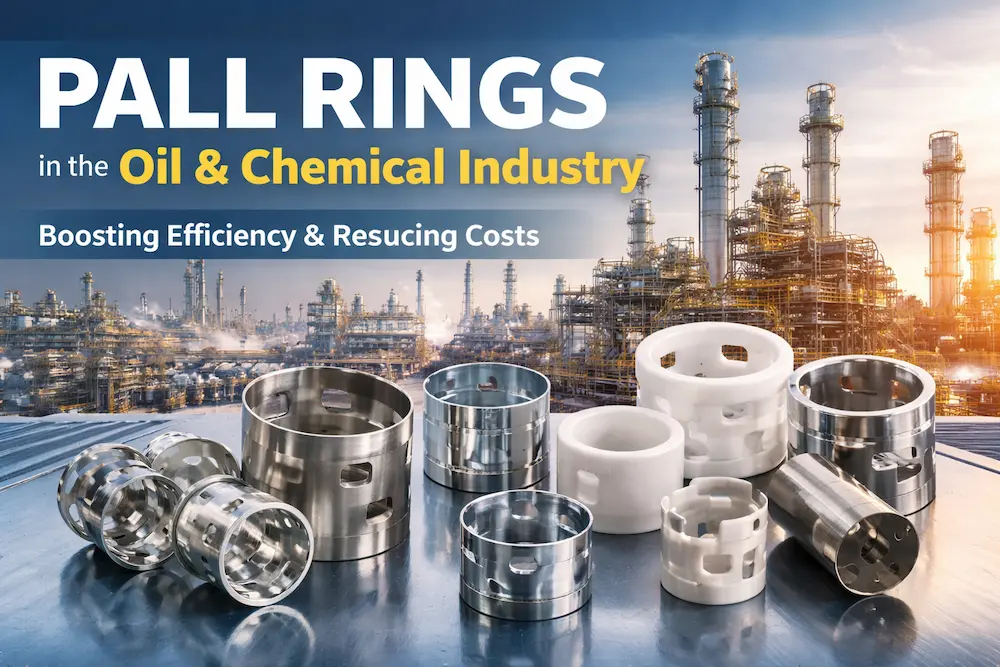
Pall rings are a widely used type of random packing in industries such as oil and chemical processing. They are designed to optimize gas-liquid contact efficiency, improving mass transfer during key processes like distillation, absorption, and chemical reactions. In this article, we will explore the concept of pall rings, their working principles, and how they contribute to the overall efficiency of oil and chemical industries.
Core Technology Breakdown
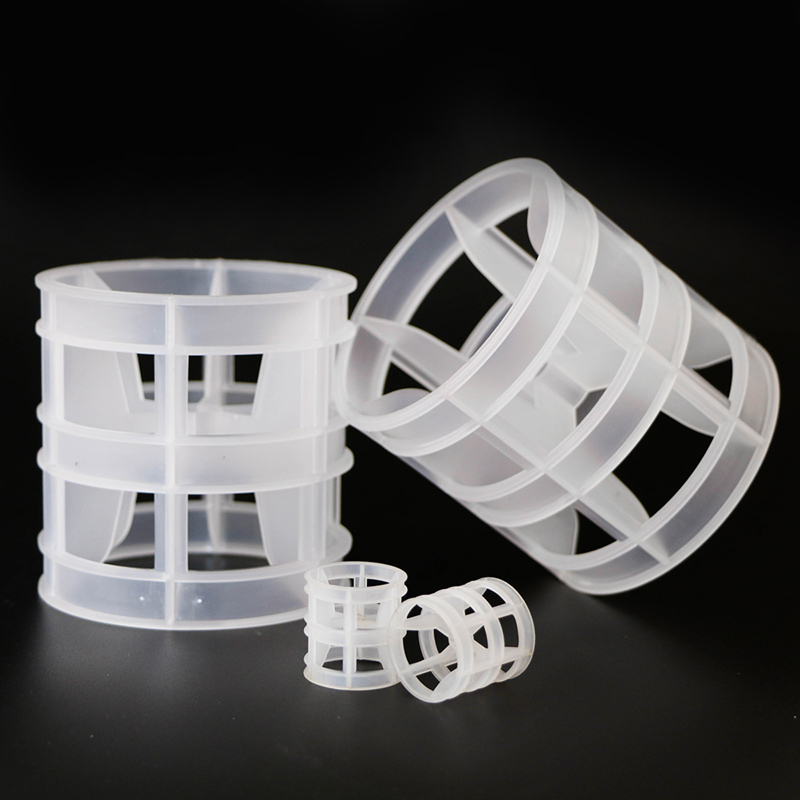
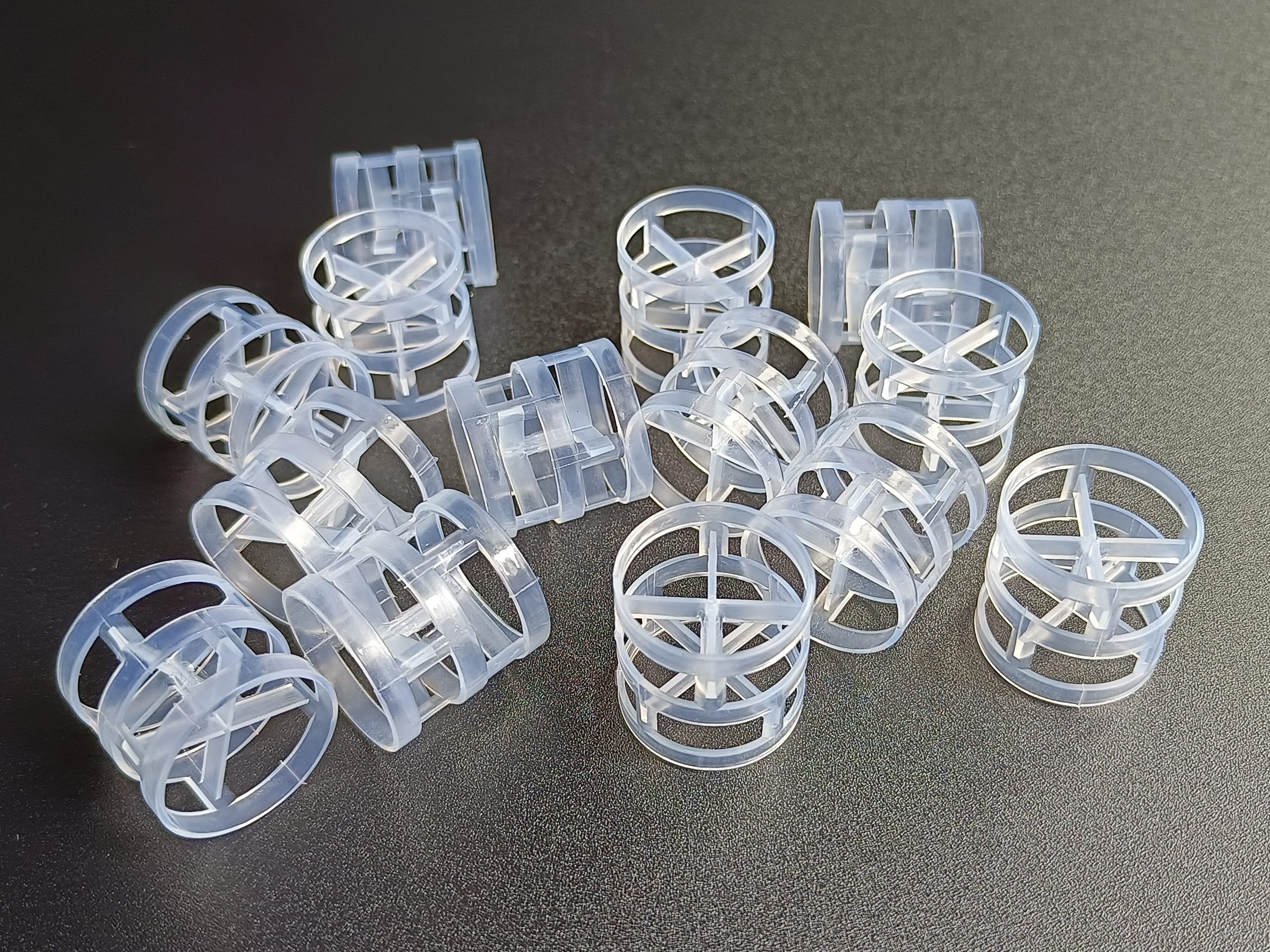
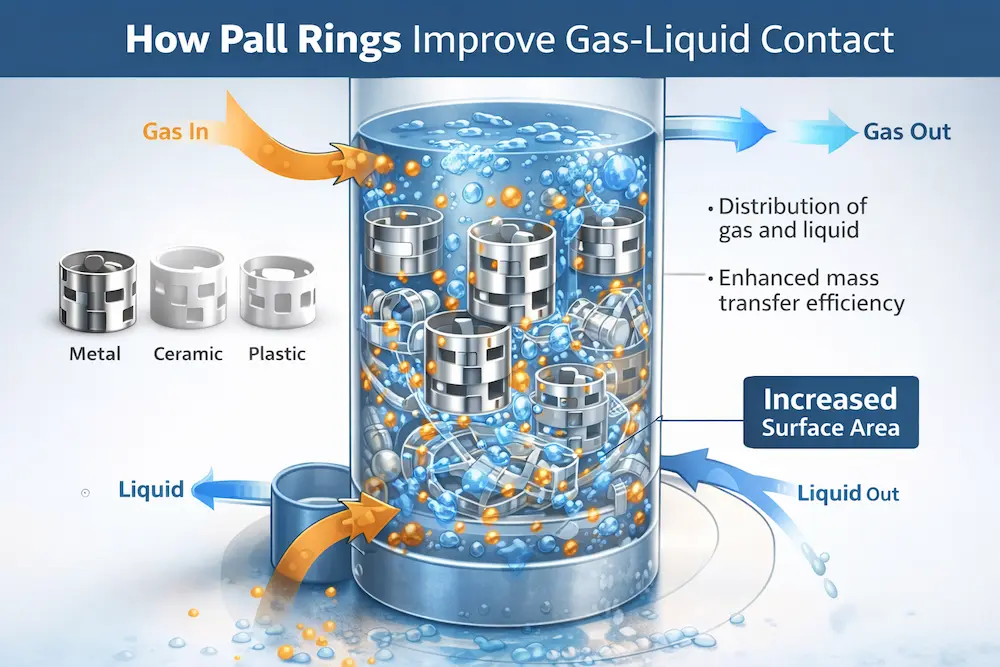
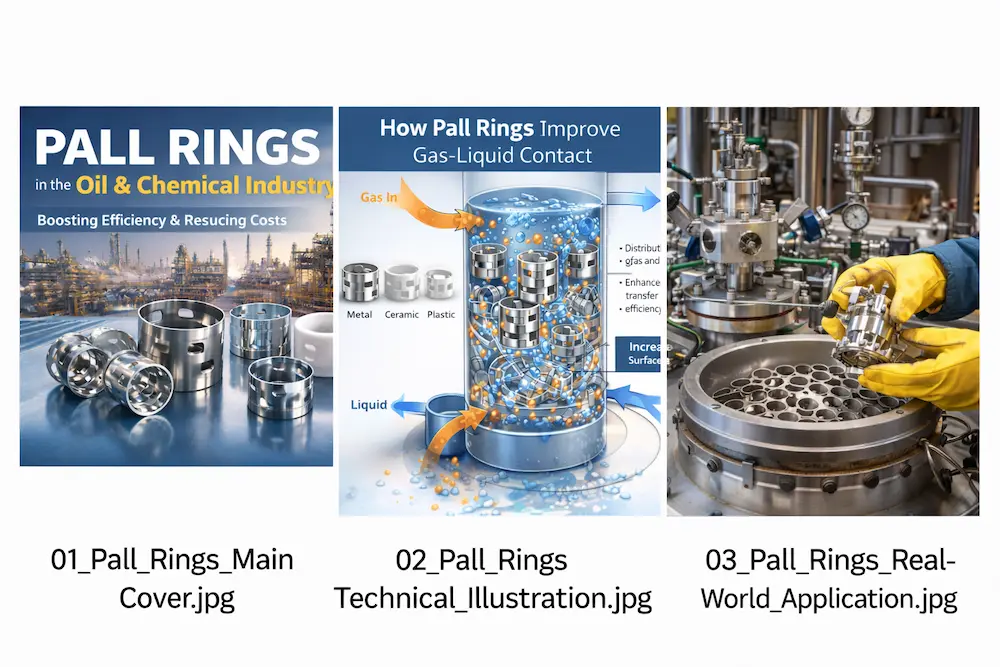
Pall rings are a type of packing with a unique geometric structure, typically made from materials like metal, ceramic, or plastic. Their open structure significantly increases the surface area for gas-liquid contact, enhancing mass transfer efficiency. By expanding the contact area between gas and liquid phases, pall rings minimize liquid channeling in distillation and absorption columns, improving separation efficiency while maintaining a low-pressure drop.
This design makes pall rings widely applicable in oil refining, chemical reactions, and waste gas treatment processes, especially in high-temperature, high-pressure environments, where they help optimize process efficiency and reduce energy consumption.
Expert Insights
According to BASF, “Pall rings, due to their open structure, significantly improve gas-liquid contact, making chemical reactions and gas absorption processes more efficient” (BASF).
Further industry research from Sulzer highlights, “Pall rings optimize gas-liquid contact in oil refining processes while reducing energy consumption, making them a core component for enhancing production efficiency” (Sulzer).
This shows that in oil and chemical industries, Pall rings not only improve separation and reaction efficiency but also help companies meet environmental regulations and reduce operational costs.
Real-World Case Studies
In chemical plants, using Pall rings significantly enhances the efficiency of gas-liquid separation columns. For instance, a global leader in oil and chemical manufacturing implemented pall rings in their distillation columns, resulting in a 12% improvement in gas absorption efficiency. Additionally, their design reduced liquid channeling, leading to a substantial boost in production efficiency and a decrease in energy consumption.
Another example is in environmental protection, where Pall rings were used in waste gas treatment to effectively remove harmful gases. By optimizing gas-liquid contact, these pall rings made the waste gas treatment process more environmentally friendly and compliant with stringent environmental regulations.
Comparison of Pall Rings vs Other Random Packings
To better demonstrate the advantages of pall rings in the chemical and oil industries, here is a comparison of pall rings with other common types of packing like Raschig Rings and Saddle Rings based on key performance metrics:
| Packing Type | Key Features | Advantages |
|---|---|---|
| Pall Rings | Increased gas-liquid contact area, low pressure drop | High-efficiency gas-liquid contact, ideal for high-temperature, high-pressure environments |
| Raschig Rings | Traditional packing structure, lower surface area | Lower cost, suitable for standard separation processes |
| Saddle Rings | Medium gas-liquid contact area, moderate pressure drop | Suitable for regular chemical processes, but slightly less efficient than Pall Rings |
Data Note: The table above shows that Pall rings provide significantly higher separation efficiency, especially in high-load, high-temperature operational environments.
FAQ
Q1: What are pall rings made of?
A1: Pall rings are typically made of metal, plastic, or ceramic depending on the application requirements. Metal pall rings are ideal for high-temperature and high-pressure environments, while plastic and ceramic pall rings are more suitable for less demanding conditions.
Q2: How do pall rings improve gas-liquid contact?
A2: The unique open structure of pall rings creates additional surface area, which significantly enhances the contact between gas and liquid phases. This increases the mass transfer efficiency in distillation and absorption processes.
Q3: Can pall rings be used in environmental applications?
A3: Yes, pall rings are commonly used in environmental protection, such as gas absorption towers for pollutant removal from exhaust gases.
Q4: What are the advantages of using pall rings in chemical reactors?
A4: Pall rings promote better interaction between gases and liquids, improving reaction efficiency. Their unique design ensures minimal pressure drop while maximizing surface area for mass transfer.
Q5: How long do pall rings last?
A5: The lifespan of pall rings depends on the material used and the operating conditions. Metal pall rings typically have a longer lifespan than plastic alternatives due to their greater durability and resistance to high temperatures.
**Pall rings** play an indispensable role in optimizing gas-liquid contact in industrial processes, particularly within the **oil** and **chemical industries**. According to **Sulzer**, the use of pall rings in **chemical reactors** and **distillation columns** significantly enhances separation efficiency, which is vital in industries that demand high-precision processes like oil refining and petrochemical production ([Sulzer](https://www.sulzer.com)).As **BASF** explains, the **open structure** of **pall rings** provides a higher surface area for mass transfer, enabling more effective gas-liquid interactions. This design allows **Pall rings** to improve process performance and reduce operational costs. These rings are essential for chemical plants aiming for **high-efficiency separation** while maintaining low energy consumption ([BASF](https://www.basf.com)).Furthermore, **Vallourec** highlights the application of **metal pall rings** in high-temperature processes, especially in **oil refining**. The choice of **metal /what-is-a-pall-ring/pall rings** for these extreme conditions not only ensures **durability** but also provides **long-term savings** by optimizing energy usage and improving overall process efficiency ([Vallourec](https://www.vallourec.com)).
To further explore the **Pall rings** technology and how it can optimize your processes, read our full article on **[What is a Pall Ring?]**.