

Meet AYRTTER at KIOGE 2026 in Almaty
AYRTTER will attend KIOGE 2026 in Almaty, Kazakhstan, from September 30 to October 2, 2026. Visit us at Hall 8-372 to discuss random packing, structured
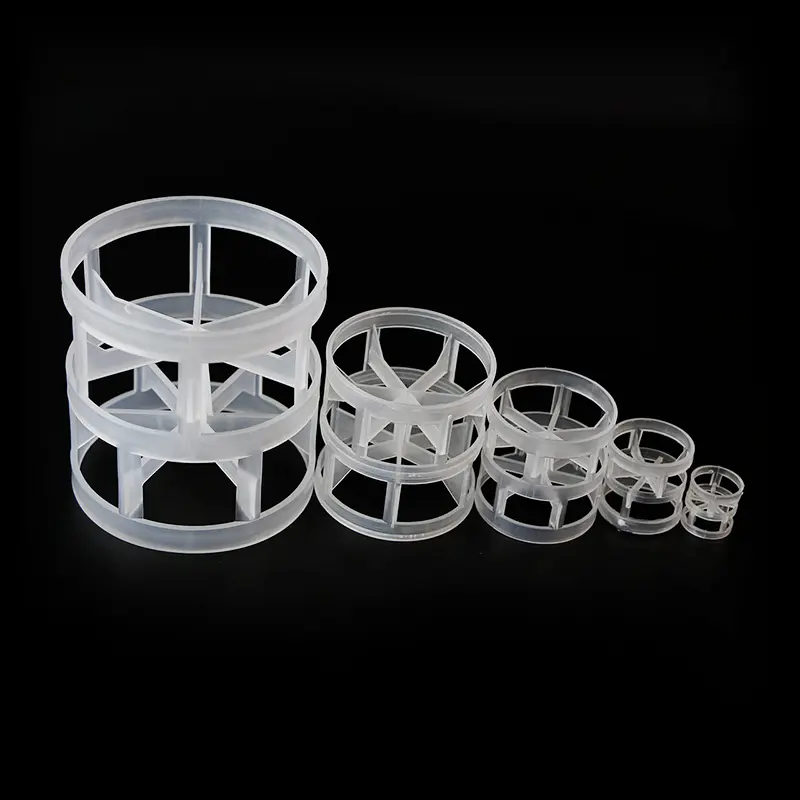
How PPH Pall Rings Work Inside an Acid Mist Scrubber
An acid mist scrubber may look simple from the outside: a cylindrical tower, several pipes, a circulation pump and an exhaust outlet. Inside the tower,
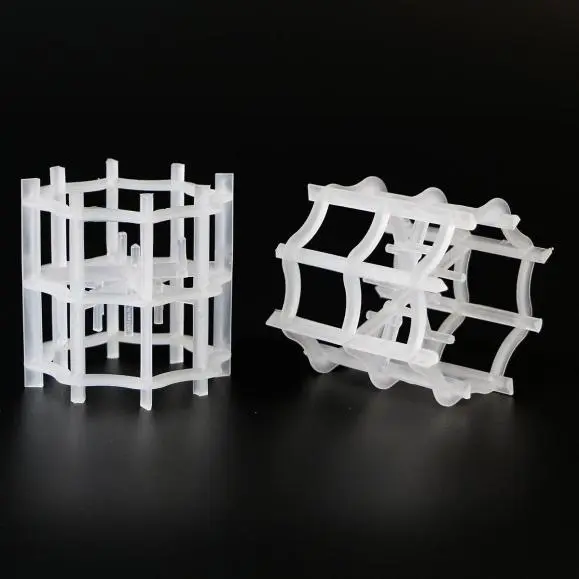
VSP Ring Design for Low Pressure Drop and High Capacity
Selecting random packing for an industrial tower is rarely a simple question of surface area. Engineers must balance pressure drop, gas throughput, liquid distribution, flooding
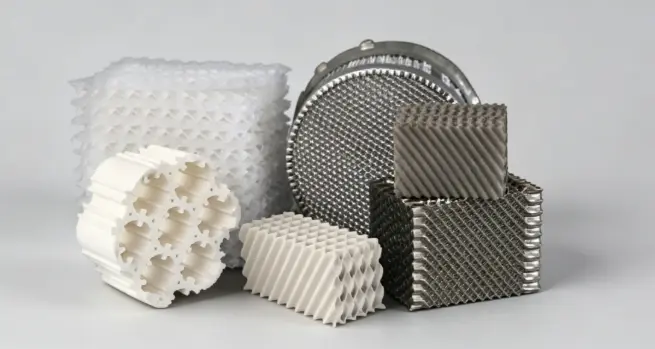
Random Packing vs. Structured Packing: Which Is More Cost-Effective for Different Column Diameters?
Random packing (e.g., Pall rings, saddles) is low-cost and fouling-resistant; structured packing (e.g., corrugated sheets) offers high efficiency and low pressure drop. Column diameter is
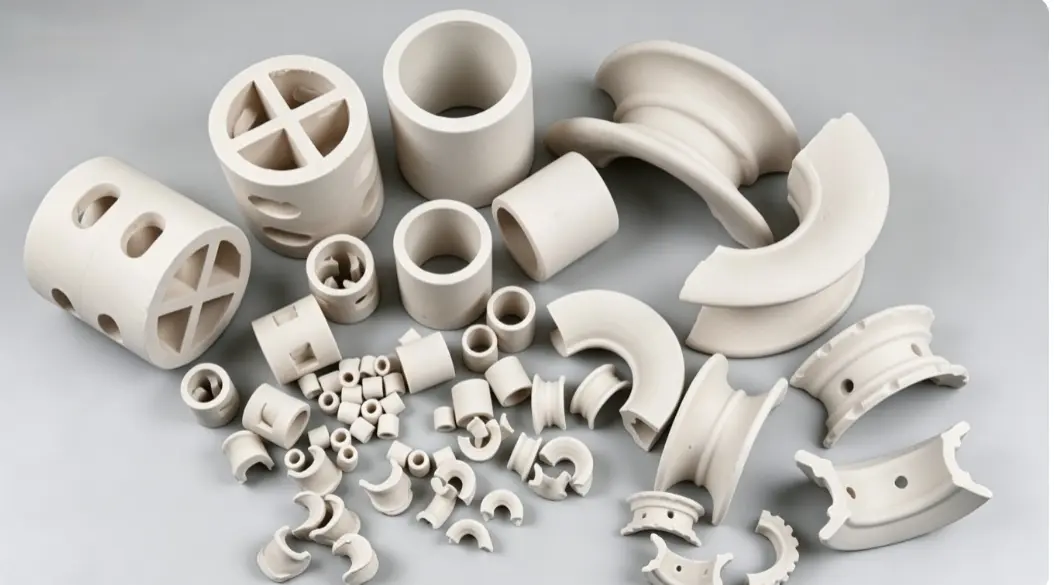
Ceramic Packing: The Reliable Solution for Extreme Acid Conditions
In chemical, metallurgical, and environmental protection industries, high-temperature strong-acid reaction towers (such as Sulfuric Acid Concentration Tower and Nitric Acid Recovery Tower) operate under extreme conditions:
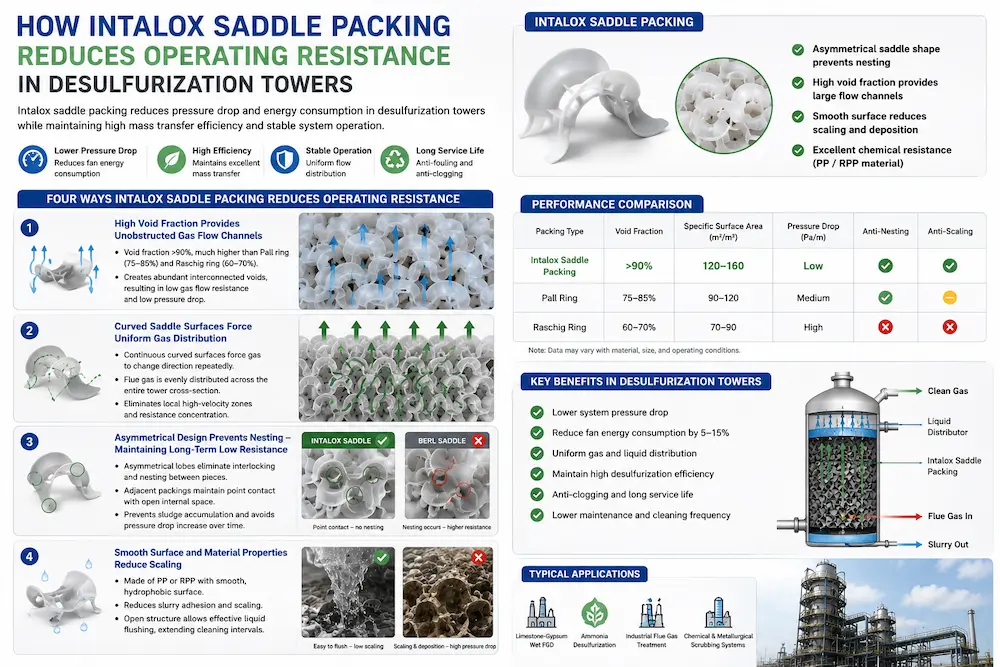
How Intalox Saddle Packing Reduces Operating Resistance in Desulfurization Towers
Intalox saddle packing is a high-performance random tower packing widely used in desulfurization towers, wet scrubbers, absorption towers, and flue gas treatment systems. Its asymmetrical
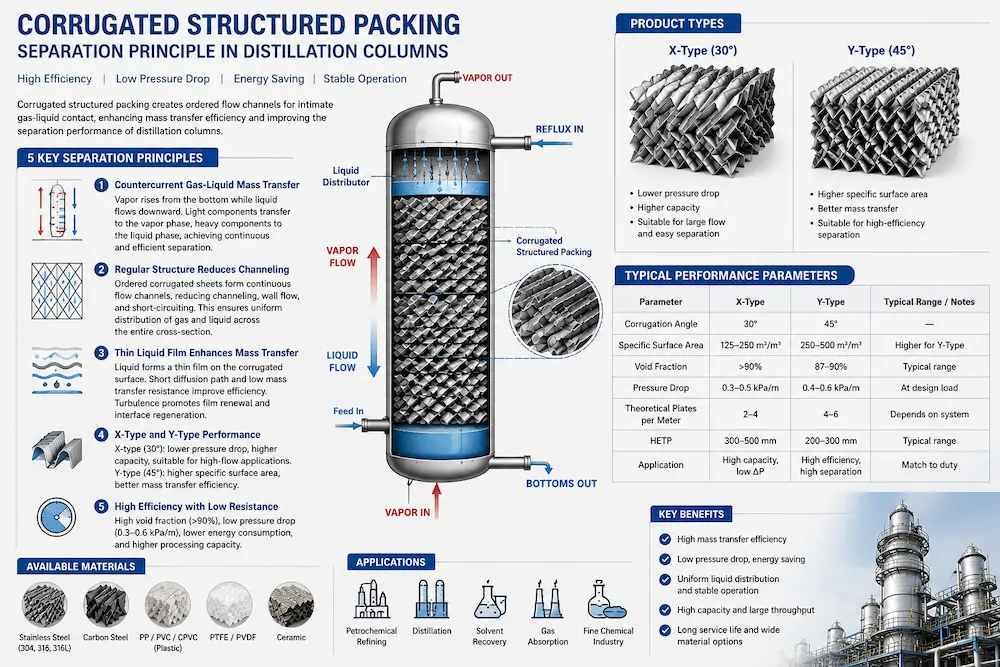
Separation Principle of Corrugated Structured Packing in Distillation Columns
Corrugated structured packing is a high-efficiency tower internal used in distillation, absorption, stripping, solvent recovery, and chemical separation columns. Its regular corrugated geometry forms stable
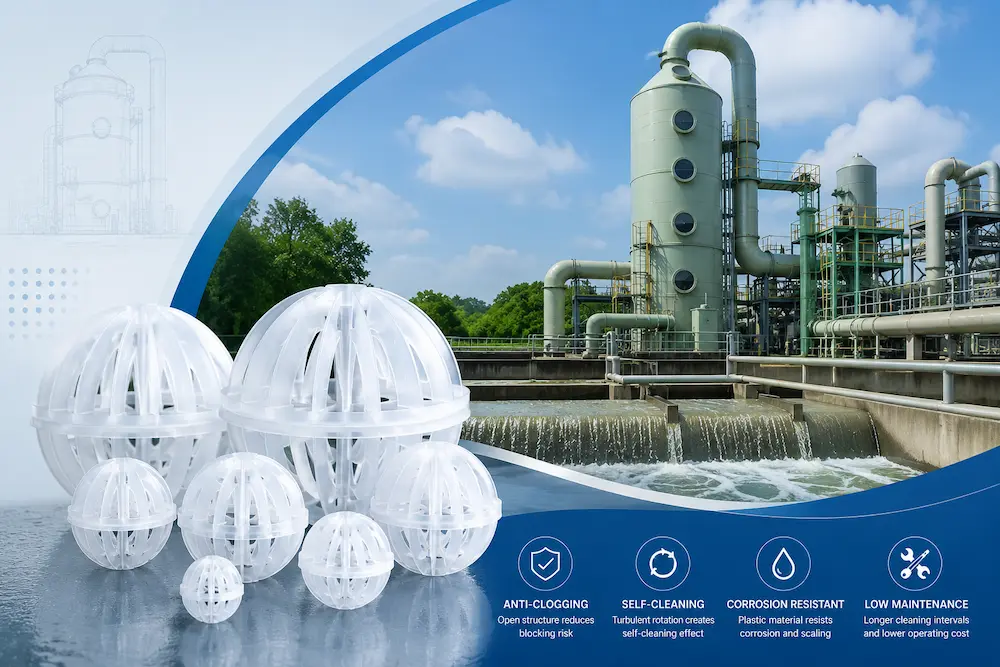
How Hollow Ball Packing Prevents Clogging in Exhaust Gas Purification Towers
Micro Summary: Hollow ball packing is widely used in exhaust gas purification towers because it helps reduce clogging, pressure drop, sludge accumulation, and maintenance frequency.