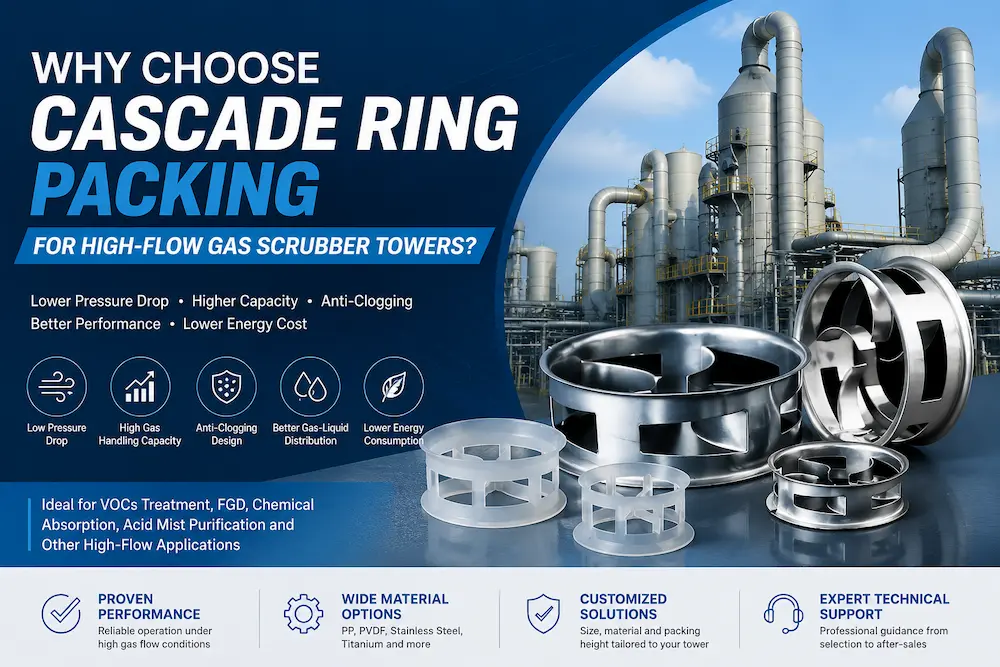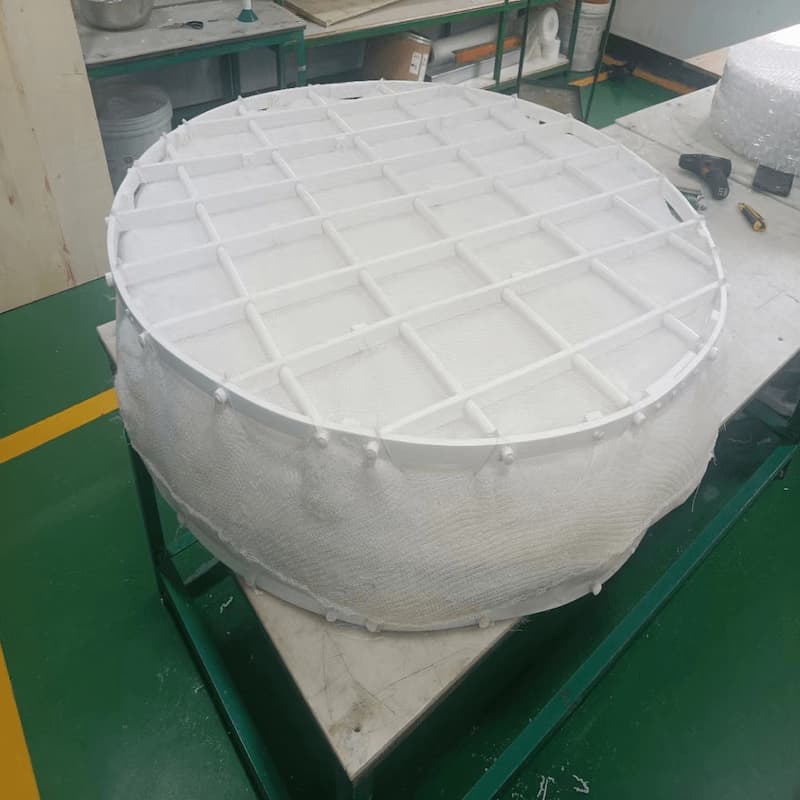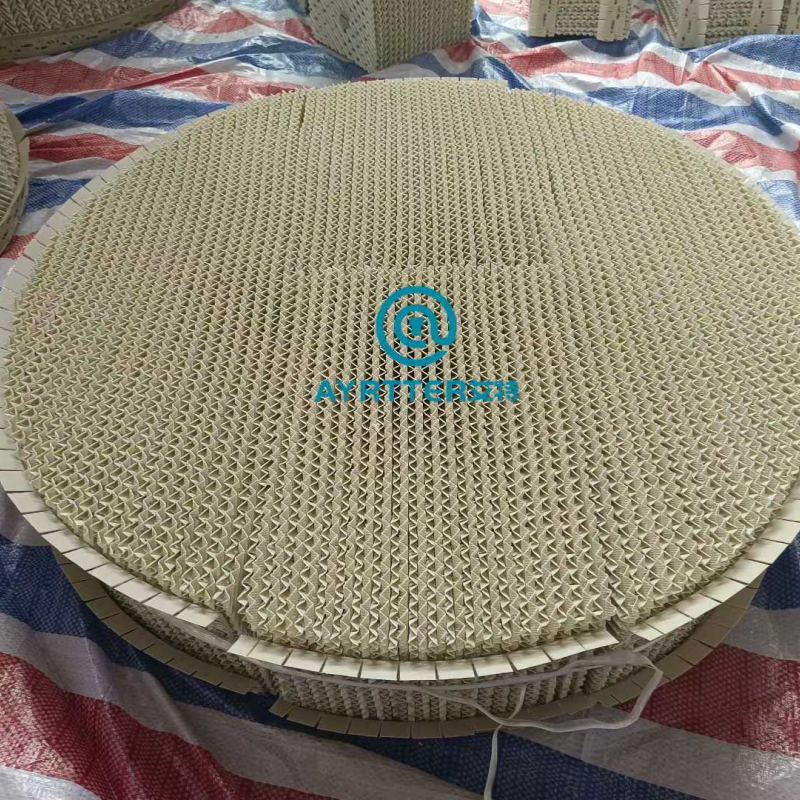
Pall rings, an essential element in industrial applications, play a critical role in mass transfer processes within various industries. They are designed to optimize the efficiency of chemical reactors, absorption towers, and distillation columns. This article explores the importance of pall rings, their applications, and how they contribute to overall system efficiency.
What is a Pall Ring?
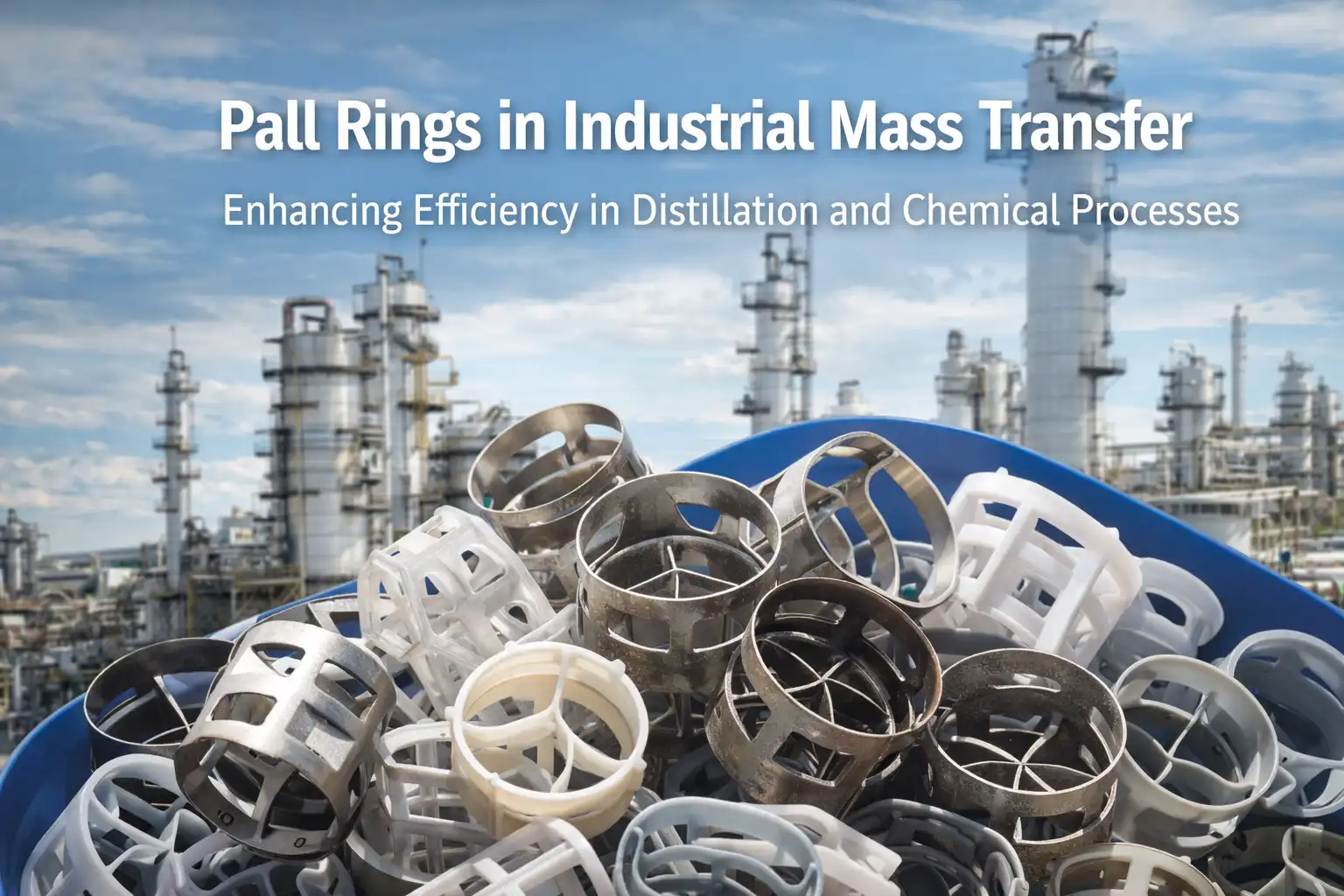
Pall rings are a type of random packing used in various industrial processes such as distillation, absorption, and chemical reactions. They are typically made from materials such as metal, plastic, or ceramic and are used in columns to enhance the efficiency of gas-liquid contact. This is crucial for industries like petrochemical, chemical processing, and environmental protection.
These rings are specially designed to create more surface area for mass transfer between the gas and liquid phases. The structure of the pall ring ensures that the liquid flows in a uniform pattern, while the gas passes through without creating too much pressure drop, making them ideal for various high-efficiency applications.
Applications of Pall Rings
Pall rings are most commonly used in mass transfer operations, particularly in the following applications:
| Application | Description |
|---|---|
| Distillation Columns | Pall rings improve separation efficiency by enhancing vapor-liquid contact. |
| Absorption Towers | They facilitate gas absorption into liquids, often used in environmental control. |
| Chemical Reactors | Pall rings promote the interaction between gases and liquids for effective reactions. |
For industries that require precise separation or reactions, pall rings provide an optimal solution by ensuring maximum efficiency in these processes.
Expert Insights on Pall Ring Efficiency

Expert Insight 1: Mass Transfer Efficiency
Dr. Thomas Miller, a chemical engineer specializing in industrial process optimization, explains:
“Using pall rings in mass transfer operations significantly enhances the contact between gas and liquid phases. The design, with its open structure, minimizes resistance while maximizing the surface area for interaction. This leads to better separation efficiency, especially in complex distillation processes.”
Expert Insight 2: Material Selection for Durability
According to Dr. Jennifer Smith, a materials scientist:
“The choice of material for pall rings—be it metal, ceramic, or plastic—directly impacts their performance. Metal pall rings are ideal for high-temperature operations due to their superior durability, while plastic pall rings are suitable for less demanding environments, offering cost efficiency.”
Expert Insight 3: Real-World Performance
James Chang, a senior engineer at a leading chemical processing plant, notes:
“Our facility switched to using pall rings in our distillation columns. We’ve observed a noticeable improvement in throughput, with a 12% increase in separation efficiency. The low-pressure drop associated with these rings has helped us save on energy consumption as well.”
Why Choose Pall Rings from Ayrtter?
Ayrtter is a trusted provider of **plastic rosette rings** and **metal random packing** solutions. With years of expertise in designing high-quality packing materials, Ayrtter offers solutions that meet the demanding needs of industries around the world. Our **plastic random packing** and **metal random packing** ensure optimal mass transfer efficiency and minimal pressure drop in distillation and absorption processes.
For a detailed look at our products, explore the following categories: **Plastic Random Packing** **Metal Random Packing** **Structured Packing**
The Science Behind Pall Ring Efficiency
Recent studies and case studies have shown that pall rings significantly improve the efficiency of industrial processes. The unique design of the rings allows for a higher surface area contact between the gas and liquid phases, which is crucial for applications in chemical engineering. For example, a study conducted by the University of California demonstrated that replacing traditional packing with pall rings led to a 15% increase in efficiency in distillation columns, showing a reduction in energy consumption and operational costs.
In another case, a major chemical processing plant in the Netherlands improved its absorption tower performance by using pall rings, which contributed to a 20% increase in gas absorption rates, greatly improving overall productivity.
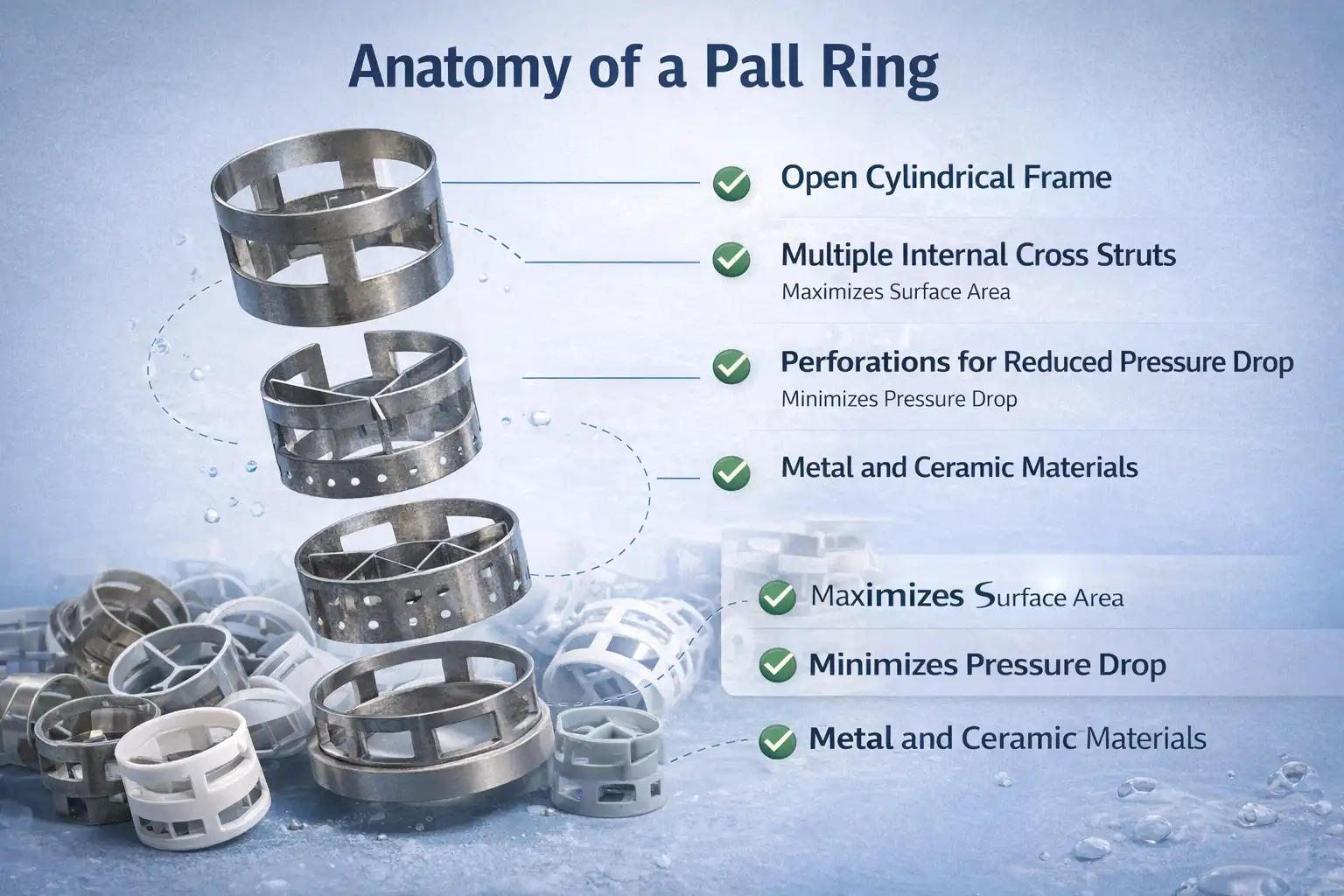
Packaging Insight: Why Ayrtter’s Pall Rings Set the Standard
At Ayrtter, we specialize in providing high-performance pall rings that maximize efficiency in various industrial applications. Our pall rings are designed with precision to ensure minimal pressure drop and maximum surface area for gas-liquid interaction. Whether you require **ceramic random packing** for higher temperature resistance or **plastic rosette rings** for cost-effective solutions, we have a range of options tailored to meet your needs.
By choosing Ayrtter’s pall rings, industries can ensure optimal performance while reducing energy costs, leading to long-term operational savings.
FAQ: What Are Pall Rings?
Q1: How do pall rings enhance mass transfer efficiency?
A1: Pall rings increase the surface area for gas-liquid interaction, improving the efficiency of mass transfer operations in distillation, absorption, and chemical reactions.
Q2: What materials are pall rings made from?
A2: Pall rings are typically made from metal, plastic, or ceramic, depending on the application requirements, such as temperature resistance or chemical compatibility.
Q3: Can pall rings be used in environmental protection?
A3: Yes, pall rings are commonly used in environmental applications such as gas absorption towers for the removal of pollutants from exhaust gases.
Q4: Are there alternatives to pall rings for mass transfer applications?
A4: Yes, other types of random packing like ceramic random packing and structured packing can be used, but pall rings are often preferred due to their high efficiency and low pressure drop.
Q5: How long do pall rings typically last?
A5: The lifespan of pall rings depends on the material used and the operating conditions. Metal pall rings generally have a longer lifespan than plastic alternatives due to their higher durability.
Ayrtter’s – Pall Rings Conclusion
In conclusion, pall rings play an integral role in enhancing mass transfer operations in industries such as chemical processing, petrochemicals, and environmental protection. Their unique design ensures maximum efficiency while minimizing operational costs. By selecting Ayrtter’s range of plastic rosette rings, metal random packing, and structured packing, industries can ensure that their mass transfer systems perform at their highest potential, saving both energy and resources in the