Metal Structured Packing: The Core Choice for High-Efficiency Mass Transfer Equipment and Technical AnalysisIn modern industrial separation and purification processes across chemical, petroleum, pharmaceutical, and environmental protection sectors, mass transfer efficiency is the core determinant of a plant’s energy consumption, production capacity, and economic performance. Among various tower internals, packing, serving as the direct medium for gas-liquid mass and heat transfer, is of paramount importance.
Metal Structured Packing, with its outstanding comprehensive performance, has become the core choice for high-efficiency mass transfer equipment, especially in precision separation and large-scale units. This article provides an in-depth analysis of the technical principles, structural characteristics, and market application advantages of metal structured packing, offering a comprehensive foundational understanding from both domestic and global perspectives.
Understanding Metal Structured Packing: Definition and Core Structure
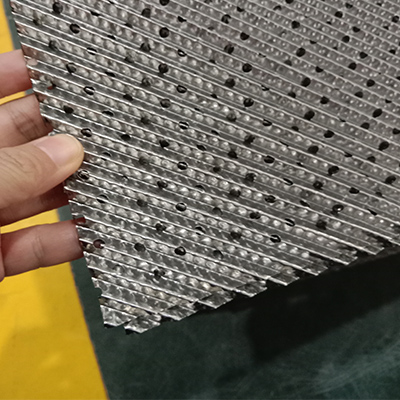
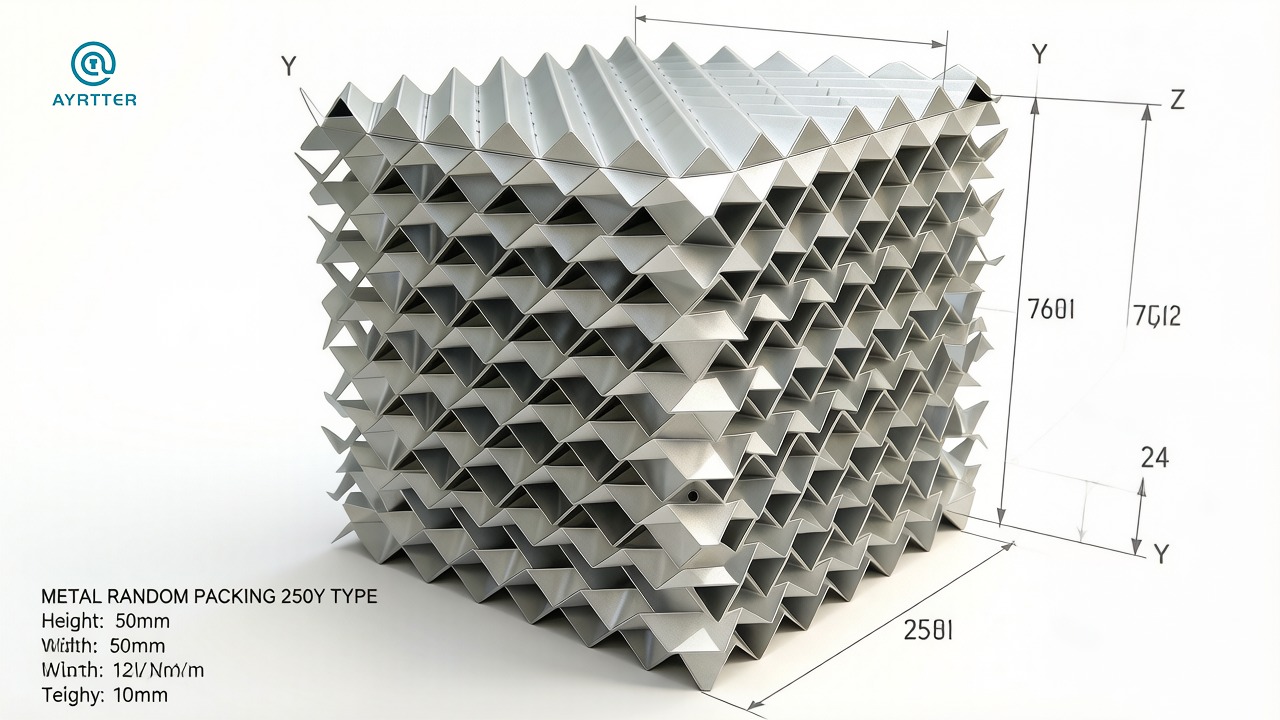
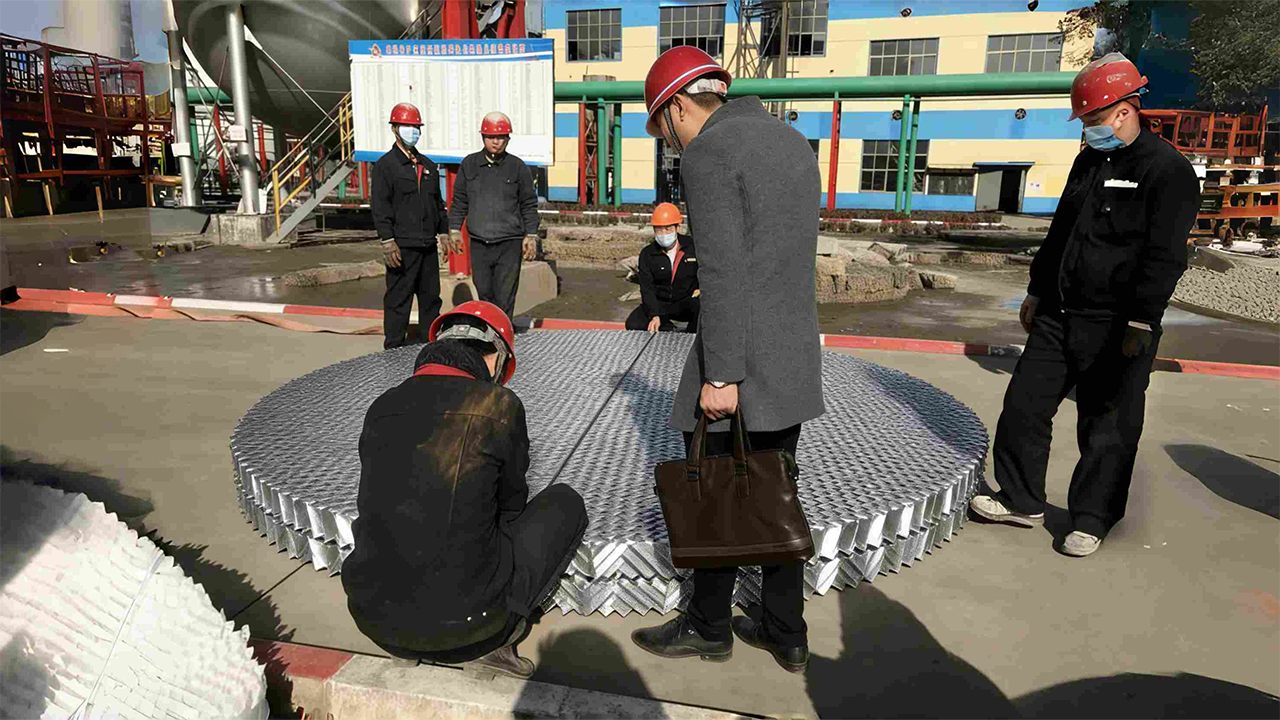
Metal Structured Packing is a type of metal packing arranged uniformly and neatly inside a column according to a regular geometric pattern. Unlike randomly dumped random packing, it consists of multiple layers of specially processed metal sheets (typically made of stainless steel, carbon steel, aluminum, titanium, etc., with a thickness of about 0.1-0.2mm). Each sheet undergoes precise perforation and corrugation (or embossing) processes to form channels with specific inclination angles.
Its core structural features include:
Orderly Geometric Units: The packing elements are composed of vertically arranged corrugated sheets. The corrugation direction forms a specific angle with the column axis (typically 30°, 45°, or 60°), and adjacent sheets have opposite corrugation directions, intersecting to create a network of numerous micro-channels with regular symmetry.
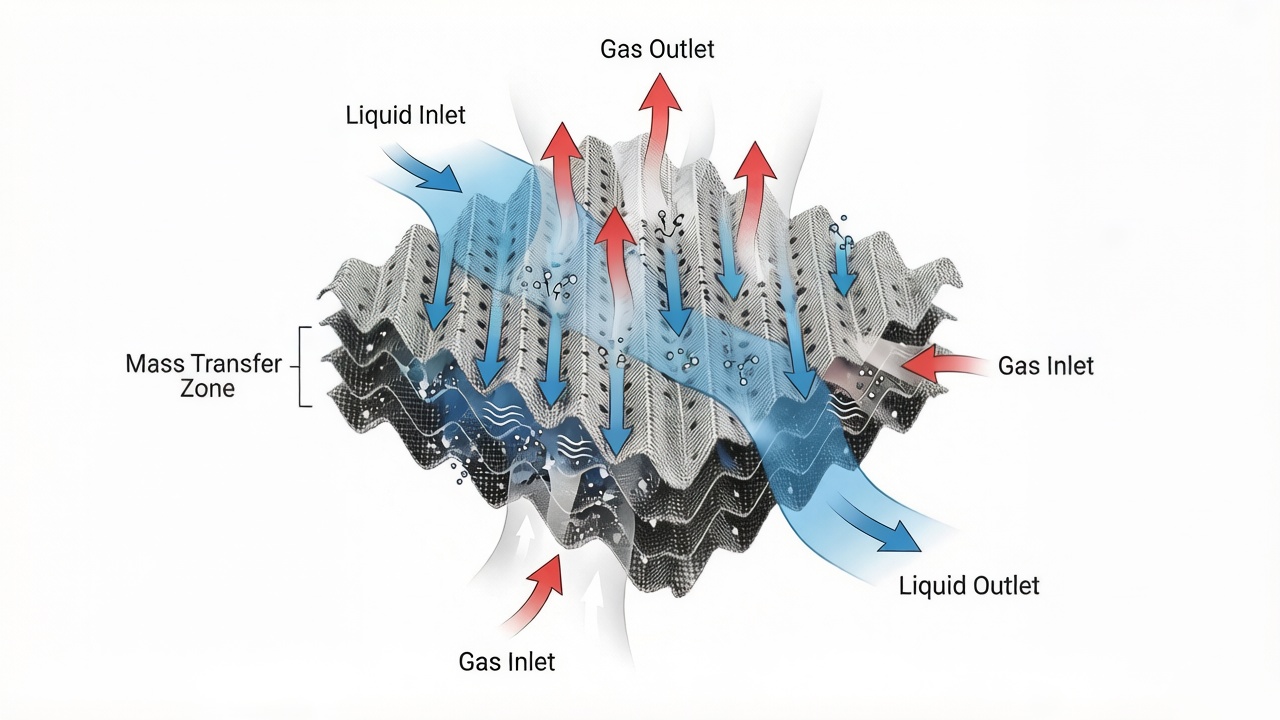
Structured Void Geometry: This structure provides gas and liquid phases with evenly distributed, well-defined flow channels, significantly reducing maldistribution phenomena such as channeling and wall flow.
Common Models and Specifications of Metal Structured Packing
Metal structured packing is primarily categorized into Sheet Metal (Plate) Type and Wire Mesh Type, with the sheet metal type being the most widely used due to its high strength, large capacity, and relatively lower cost.
Key Specifications and Model Comparison
The table below outlines common models distinguished by specific surface area and corrugation angle:
| Model | Nominal Specific Surface Area (㎡/m³) | Corrugation Angle (°) | Key Features & Typical Applications |
|---|---|---|---|
| 125Y | 125 | 45 | Low pressure drop, high capacity. Suitable for vacuum distillation, operations with high liquid loads. |
| 250Y | 250 | 45 | General-purpose type, balanced separation efficiency and capacity. Most widely applied. |
| 350Y | 350 | 30/45 | Larger specific surface area, high number of theoretical stages. Suitable for separations requiring high purity. |
| 500Y/750Y | 500/750 | 30 | Very high specific surface area, extremely high number of theoretical stages. Often used for precision separation, but with relatively lower capacity. |
(Note: The number in the model usually represents its nominal specific surface area. “Y” typically indicates a corrugation angle of 45 degrees, while “X” indicates 30 degrees.)
The Performance Advantages Driving Adoption
The high efficiency of metal structured packing stems from the fluid dynamics and mass transfer characteristics determined by its unique structure.
Unmatched Mass Transfer Efficiency
The regular corrugated structure provides a vast, effectively utilized specific surface area per unit volume (typically 125-750 ㎡/m³), offering ample interface for gas-liquid contact. Mass transfer efficiency can be 30%-50% higher than traditional random packing.
Significant Energy Savings from Low Pressure Drop
Gas flows smoothly through the regular diamond-shaped channels with minimal resistance. Under the same F-factor, its pressure drop is typically only 1/3 to 1/5 that of random packing, which is crucial for vacuum distillation and energy-saving retrofits.
High Capacity and Strong Processing Capability
The ordered channels prevent premature flooding, allowing higher gas and liquid loads. This can increase column processing capacity by 20%-40%, or reduce column diameter for the same throughput, lowering capital investment.
Minimal Scale-up Effect and Uniform Distribution
Its regular geometry ensures fluid distribution hardly deteriorates with increasing column diameter. The scale-up effect is far less pronounced than with random packing, making it particularly suitable for the design of large-scale columns.
Market Drivers and Core Application Fields
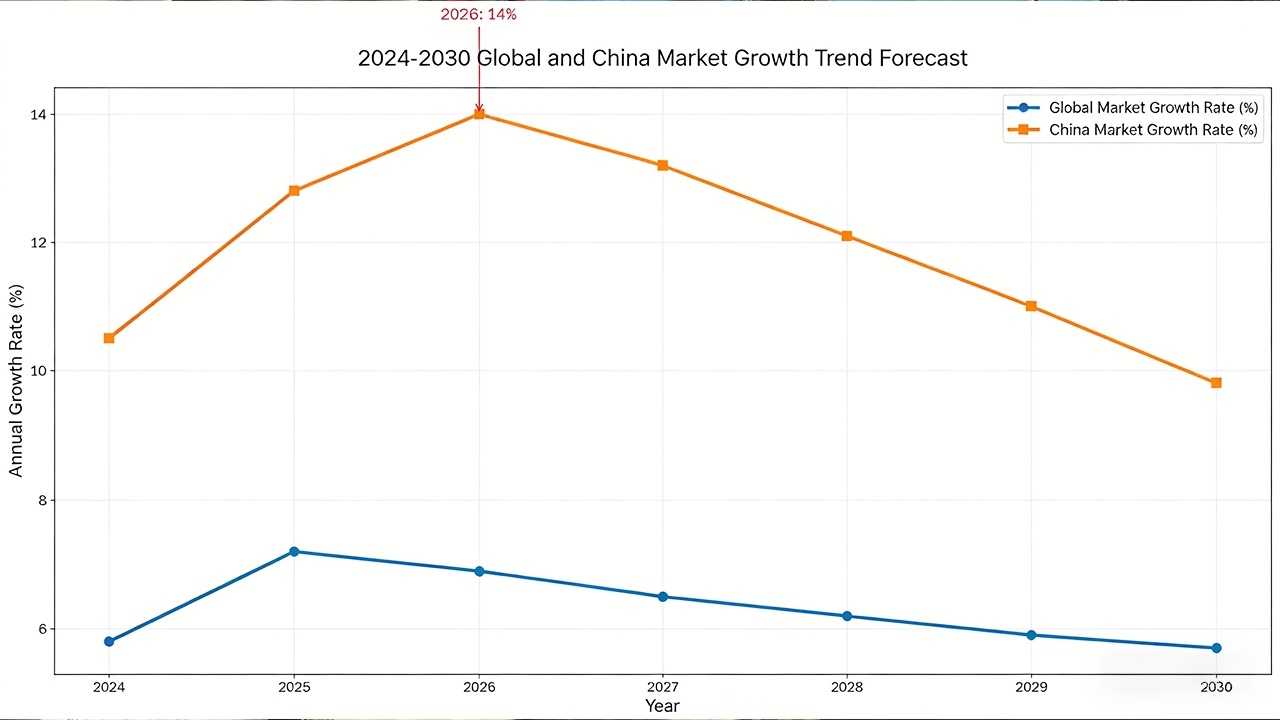
Currently, the metal structured packing market is experiencing robust growth both domestically and internationally. According to Gongyan Industrial Research Institute forecasts, China’s demand for structured packing is expected to increase by 14% year-on-year in 2026, driven by:
- Industrial Upgrading and Energy-saving Retrofits: Strong demand from traditional industries like chemicals, refining, and pharmaceuticals to replace old, inefficient packing in towers to improve profitability and reduce energy consumption.
- Emerging Demand Under “Dual Carbon” Goals: In Carbon Capture, Utilization, Storage (CCUS), absorbers and strippers have rigid requirements for high-efficiency, low-pressure-drop packing, making metal structured packing a key technology.
- Development of High-end Fine Chemicals and New Materials: Increasingly stringent separation requirements for high-purity chemicals (e.g., electronic-grade chemicals, high-end pharmaceutical intermediates) drive the application of high-performance structured packing.
Core application scenarios include: Vacuum towers in large atmospheric and vacuum crude distillation units, quench towers and separation towers in ethylene plants, air separation units, precision distillation and absorption in the chemical industry, spice purification, as well as seawater desalination and environmental waste gas treatment.
International Market Dynamics and Global Perspective
While the Chinese market shows strong growth momentum, the global structured packing market presents a broader picture with distinct regional dynamics and expert insights.
Global Market Scale and Growth Trajectory
The global structured packing market was valued at approximately USD 1.2 billion in 2024 and is projected to reach USD 1.6 billion by 2030, growing at a compound annual growth rate (CAGR) of 4.9% during the forecast period (2024–2030). Another comprehensive report estimates the global market was worth USD 1.563 billion in 2024 and is forecast to reach USD 2.171 billion by 2031, with a CAGR of 4.8% during 2025-2031. Focusing specifically on metal structured packing, the market was valued at USD 873.35 million in 2024 and is projected to grow to USD 933.70 million in 2025, reaching USD 1,317.04 million by 2030 at a CAGR of 7.08%.
Regional Market Dynamics and Driving Factors
Regional dynamics significantly influence production strategies and market preferences. In the Americas, a mature refinery and petrochemical base continues to renew aging assets, fueling demand for retrofits and replacements. Operators increasingly prioritize domestic content and supplier reliability, reflecting broader policy objectives supporting local manufacturing. Across Europe, stringent environmental regulations and sustainability goals drive adoption of energy-efficient technologies. The Asia-Pacific region, particularly China and India, represents the fastest-growing market due to expanding industrial capacities and infrastructure development.
Expert Interpretation and Industry Trends
Industry experts highlight several key trends shaping the global market. Dr. Linda Chen of Global Separation Technologies notes, “The drive for sustainable practices is compelling companies to invest in technologies like metal structured packing that not only enhance operational performance but also decrease environmental impact.” This sentiment is echoed across the industry, where the global push toward sustainability and reduced carbon footprints reinforces adoption, as many industries seek equipment that uses less energy than traditional packing methods.
Additional global trends include:
- Innovation in materials and design expanding applicability through stronger corrosion resistance and mechanical stability.
- Integration of advanced corrosion-resistant coatings extending structured packing lifespan significantly.
- Adoption of 3D laser cutting technology enhancing precision in metal structured packing fabrication.
- Rising demand for high-capacity distillation towers driving innovation in packing surface area density.
- Shift towards modular prefabricated packing systems reducing installation time and onsite labor requirements.
Key Standards and Selection Considerations
When selecting metal structured packing, relevant industry standards (such as HG/T 21559.2-2005 “Stainless Steel Corrugated Sheet Structured Packing”) must be strictly followed, and selection should be based on the following points:
Process Requirements: Choose the model based on separation difficulty (required number of theoretical stages), allowable pressure drop, and operating pressure (atmospheric, pressurized, or vacuum).
Material Characteristics: Consider the corrosiveness, cleanliness, thermal sensitivity, foaming tendency, etc., of the process fluids to determine the metal material (304, 316L, titanium, etc.) and surface treatment (e.g., hydrophilic, hydrophobic coatings).
Economic Analysis: Comprehensively evaluate packing cost, installation expenses, energy-saving benefits, and long-term operational stability.
Conclusion
Metal structured packing has evolved from a simple column component to a core technological enabler for process intensification, energy conservation, emission reduction, and product upgrading in the global chemical industry. The synchronized growth of both the Chinese market (projected 14% demand increase in 2026) and the global market (4.9% CAGR through 2030) underscores its critical role in modern industrial processes.
As Dr. Linda Chen emphasizes, the convergence of sustainability imperatives and operational efficiency demands is creating unprecedented opportunities for metal structured packing adoption worldwide. For engineers and decision-makers seeking process optimization and equipment retrofits, understanding both the technical intricacies and the broader market dynamics—including the 7.08% CAGR projected for the global metal structured packing market through 2030—is essential for making informed, strategic choices that align with both economic objectives and environmental responsibilities.
Mastering the technical and commercial landscape of metal structured packing is not merely an operational consideration but a strategic imperative for companies navigating the complex intersection of industrial efficiency, regulatory compliance, and sustainable development in the coming decade.
SEO TDK Suggestions
Title (68 characters):
Metal Structured Packing 2026 Guide: China Suppliers, Manufacturers & Factory – Ayrtter
Meta Description (277 characters):
Explore the complete guide to Metal Structured Packing: technical specs, 2026 market trends (14% growth in China), and global insights. Find reliable China suppliers & manufacturers. Ayrtter provides high-efficiency solutions for distillation, absorption & CCUS.
Article Tags
Metal Structured Packing, Structured Packing, China Packing Manufacturer, Chemical Tower Packing, Mass Transfer Equipment, Distillation Column Internals, Random vs Structured Packing, CCUS Packing, Industrial Packing Suppliers, Ayrtter