Quick Summary:This case study details how a major sulfuric acid producer in China eliminated chronic operational issues by switching to Ayrtter’s Ceramic Super Saddle Rings. Facing high energy costs and frequent shutdowns due to failing traditional packing, the plant achieved a 55% reduction in system pressure drop, extended packing life beyond 5 years, and significantly lowered operating costs. Read the data-backed analysis of this successful retrofit.
The Challenge: Battling Inefficiency in a Corrosive World
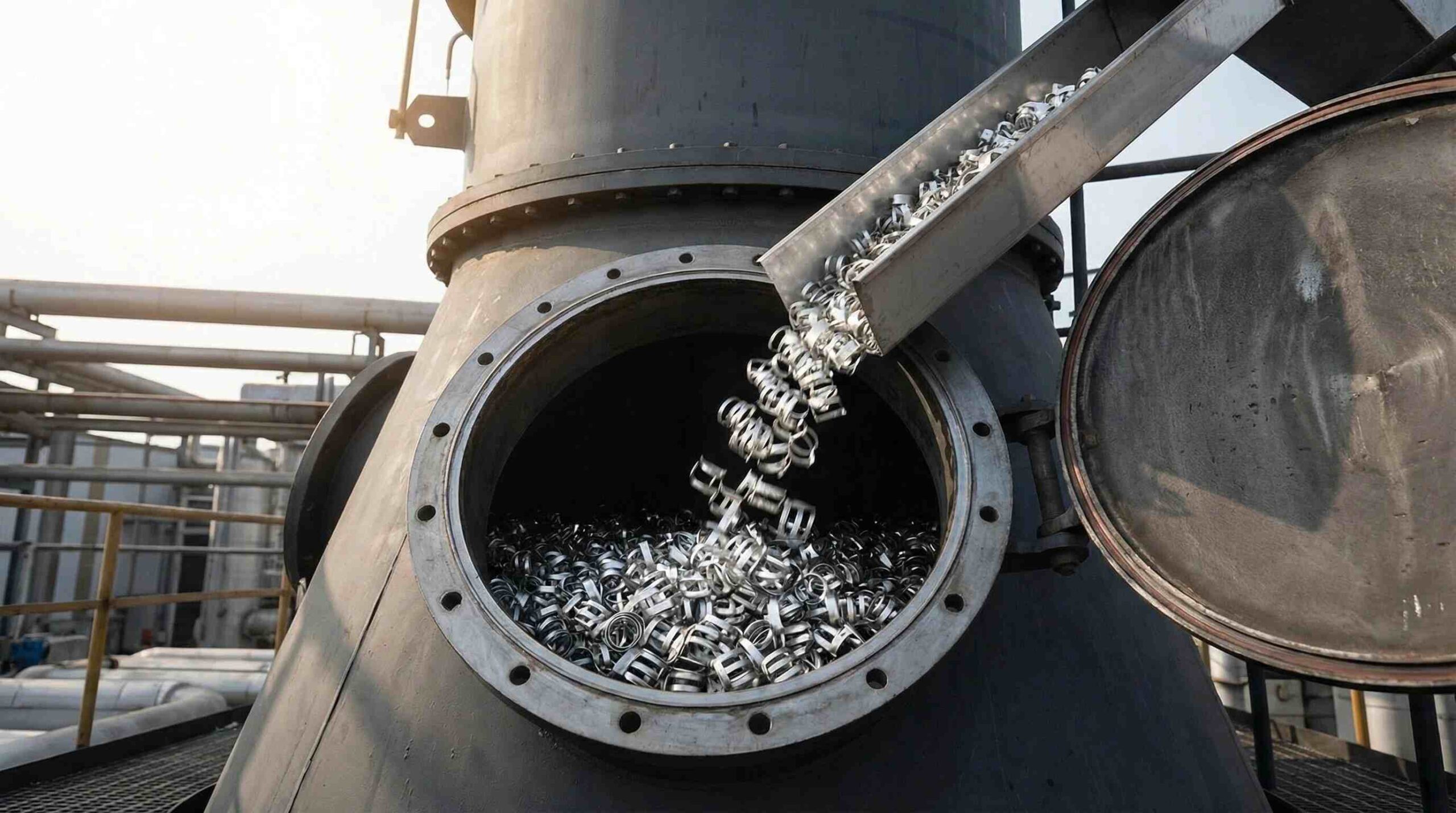
At the heart of a large-scale sulfuric acid production facility in East China lay a persistent and costly problem. The plant’s critical drying and absorption towers, which use concentrated sulfuric acid to remove moisture and absorb SO₃, were underperforming. The culprit? The conventional ceramic random packing inside was failing to meet the demands of the harsh, high-throughput process.
The engineering team faced a triple threat:
Skyrocketing Energy Bills: The existing packing created excessive resistance to gas flow, resulting in a consistently high system pressure drop. This forced the plant’s large blowers and fans to consume significantly more electricity to maintain production rates.
The Downtime Cycle: The packing material degraded faster than expected under the corrosive, high-temperature conditions. This led to breakage, the generation of fines, and eventual bed channeling. The result was unplanned, costly shutdowns every 2-3 years just to replace the failed packing—a process that halted production for days.
Unpredictable Performance: As the packing deteriorated, the tower’s efficiency became unstable. This variability threatened product quality consistency and made it difficult to operate the plant at its optimal, designed capacity.
The team needed a solution that could conquer the corrosive environment while fundamentally improving the tower’s hydraulic efficiency. Alternatives like Metal Pall Rings were immediately ruled out due to the severe corrosion risk, and plastic options could not withstand the temperatures.
The Strategic Pivot: Selecting Ceramic Super Saddle Rings
After a thorough technical review, the plant’s engineers turned to Ayrtter for a solution. The analysis pointed to one clear winner: Ceramic Super Saddle Rings. The decision was driven by three key factors that aligned perfectly with the plant’s needs:
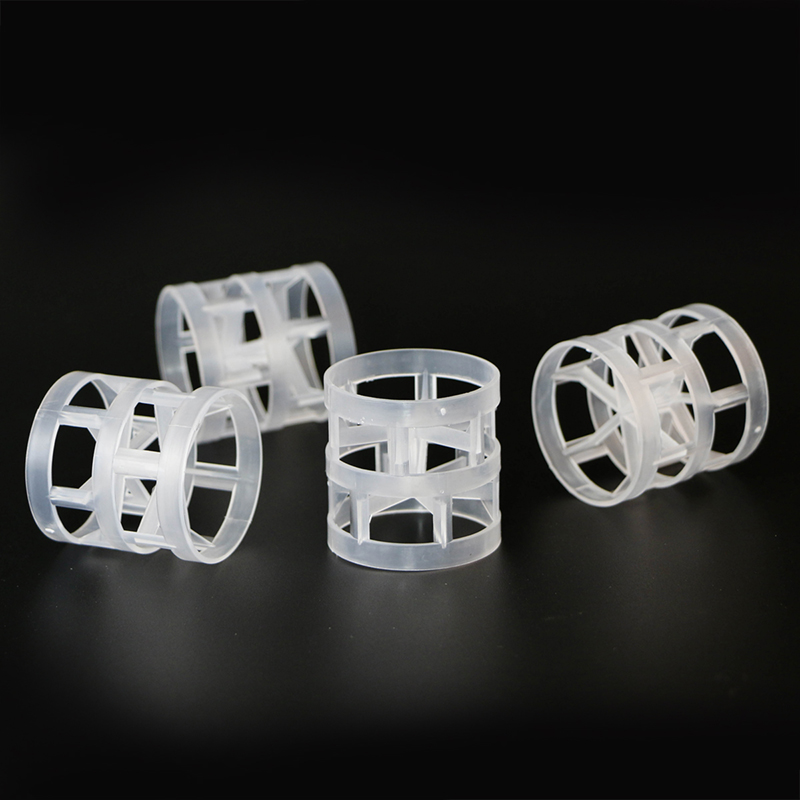
Engineered for Hydraulic Efficiency: Unlike the simple, solid shapes of traditional packings, the Super Saddle design features a unique, open structure with contoured arches and internal struts. This geometry minimizes how the pieces nest together, creating a bed with a much higher void fraction. The result is a clear, low-resistance path for gas to flow, directly targeting the high pressure-drop problem.
Built to Last in Severe Service: The rings are manufactured from a high-purity, high-alumina ceramic formulation. This material provides >99.6% resistance to sulfuric acid and can withstand thermal shock and continuous temperatures far beyond the process requirements. This promised the mechanical and chemical integrity needed to break the cycle of frequent replacement.
Proven in the Field: Ayrtter provided documented performance data from similar applications, giving the plant’s team confidence that the theoretical advantages would translate to real-world results in their sulfuric acid towers.
The Implementation: A Data-Driven Retrofit
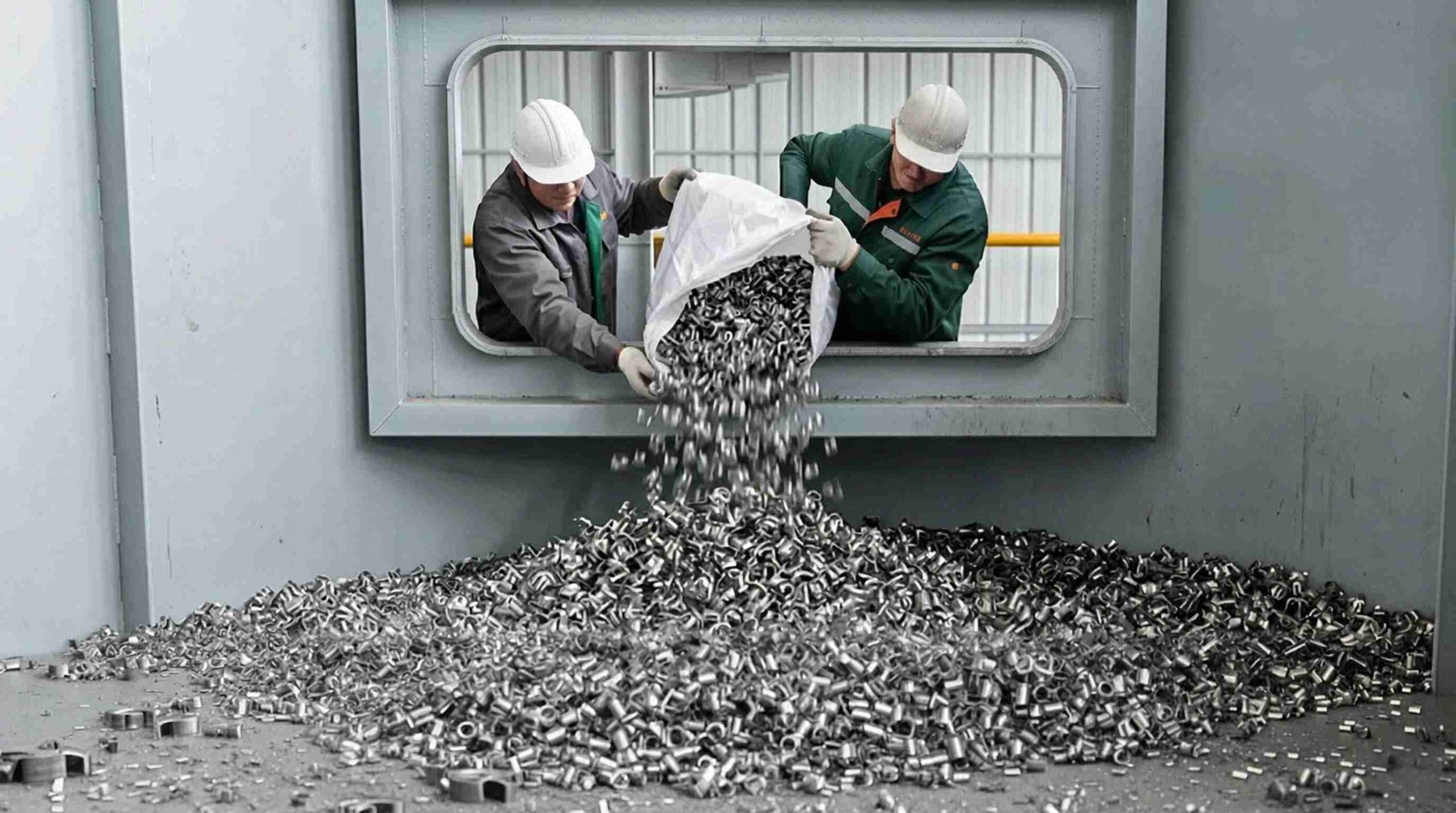
The plant opted for a controlled, data-focused approach. They selected one key drying tower for a pilot retrofit, replacing the old ceramic packing with 50mm Ceramic Super Saddle Rings from Ayrtter. The installation was completed during a planned maintenance stop.
Post-commissioning, the team meticulously tracked performance parameters for over 12 months. The results, summarized in the table below, provided unequivocal proof of the solution’s effectiveness.
Quantifying the Results: A Performance Breakdown
| Performance Metric | Before Retrofit (Old Ceramic Packing) | After Retrofit (Ayrtter Ceramic Super Saddle Rings) | Improvement Achieved |
|---|---|---|---|
| Average System Pressure Drop | ~2,800 Pa (284 mm H₂O) | ~1,260 Pa (128 mm H₂O) | 55% Reduction |
| Projected Packing Service Life | 24-36 months | >60 months(and counting) | >100% Increase |
| Tower Capacity / Gas Throughput | Baseline (100%) | Up to 115% of baseline | 15% Potential Increase |
| Annual Energy Cost (Blower) | High | Significantly Reduced | Major OPEX Saving |
| Operational Stability | Declining over time, requiring monitoring | Consistent, predictable performance | Enhanced Reliability |
Why It Worked: The Engineering Behind the Success
The dramatic results were not accidental. They were the direct outcome of the Ceramic Super Saddle Ring’s design confronting the specific failure modes of the previous packing.
Conquering Pressure Drop: The open, high-void structure of the Super Saddle design was the key. By providing a less restrictive path for the gas, it directly converted into lower energy consumption. The 55% pressure drop reduction meant the blower motors could draw less power to achieve the same flow, or the plant could increase throughput without overloading the system.
Ending the Degradation Cycle: The high-alumina ceramic used by Ayrtter is sintered at extreme temperatures, creating a dense, non-porous, and glass-like surface. This makes it virtually impervious to attack by concentrated sulfuric acid, eliminating the primary cause of packing wear, fines generation, and bed collapse. This material superiority is why the packing is on track to last more than twice as long.
Unlocking Process Potential: The improved geometry doesn’t just move gas more easily; it also promotes superior liquid distribution and gas-liquid contact. This enhances the mass transfer efficiency of the drying and absorption processes, contributing to the observed potential for increased throughput and more stable product quality.
The Ripple Effect: Benefits Beyond the Data
Beyond the hard numbers, the retrofit delivered significant intangible benefits:
Predictable Maintenance Scheduling: With packing life extended and performance stable, the plant can now plan maintenance shutdowns years in advance, optimizing production schedules and resource allocation.
Reduced Operational Risk: Eliminating the uncertainty of sudden pressure surges or efficiency drops makes the entire production line safer and easier to manage.
Stronger ROI Calculation: The combination of energy savings, reduced downtime, and extended asset life provided a compelling and rapid return on investment, making the case for future retrofits in other plant towers straightforward.
Expert Commentary & Analysis:This case study transcends a simple product testimonial; it validates a critical engineering principle for severe-service applications: operational reliability is the primary driver of total cost. While the plant’s initial focus was on pressure drop, the switch to high-performance ceramic packing from Ayrtter delivered systemic benefits—energy savings, capital preservation (longer asset life), and risk mitigation (eliminated unplanned stops). For industries like sulfuric acid, where the process environment is a given, the choice of internal components is the largest variable controlling profitability. This project proves that specifying advanced, application-engineered materials like Ceramic Super Saddle Rings is not a maintenance expense, but a direct investment in plant throughput, efficiency, and long-term asset value.
Could Your Plant Achieve Similar Results?
If your operations involve corrosive chemicals, high temperatures, or you are battling rising energy costs and unwanted downtime, the solution implemented here may be directly relevant.
Your Next Step with Ayrtter
Request a Technical Review: Share your tower specifications and process conditions with our engineers for a confidential feasibility and benefits analysis.
Explore Our Product Data: Review detailed specifications and test reports for Ayrtter’s Ceramic Super Saddle Rings in our technical library.
Discuss a Pilot Project: Inquire about structuring a low-risk pilot retrofit in a single tower to gather your own performance data.