Quick Summary
Distillation column packing selection directly affects pressure drop, separation efficiency, flooding margin, fouling risk, and long-term operating cost. For refinery, chemical, and petrochemical buyers, the right choice depends on service cleanliness, vapor load, liquid distribution quality, corrosion risk, and maintenance expectations—not just surface area or unit price.
Choosing the wrong distillation column packing can create more than a technical inconvenience. It may increase energy consumption, reduce separation stability, shorten maintenance intervals, and force expensive shutdown decisions. For procurement teams and process engineers, the safer approach is to evaluate packing by real operating constraints: pressure drop, HETP, flooding capacity, fouling resistance, material compatibility, liquid distributor performance, and installation conditions.
At AYRTTER, distillation column packing is not treated as a simple commodity part. It is part of a complete tower internal system. The packing geometry, material, distributor design, support grid, hold-down device, and operating window all influence final column performance. This guide explains how to reduce pressure drop, avoid common selection errors, and choose a more suitable packing solution for clean service, vacuum service, capacity revamps, and fouling-prone applications.
Guide Contents
What Is Distillation Column Packing?
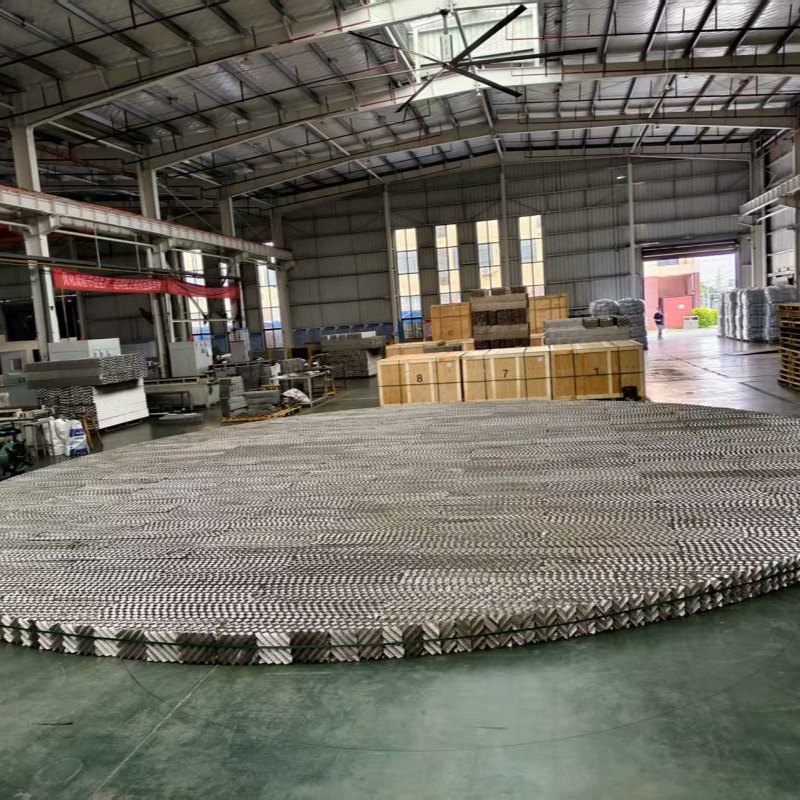
Distillation column packing is an internal mass-transfer component installed inside a tower to increase contact between rising vapor and descending liquid. Its purpose is to improve separation efficiency while keeping vapor resistance, pressure drop, and liquid hold-up within acceptable operating limits. In many chemical and petrochemical separation systems, the packing design can directly influence product purity, energy consumption, throughput, and operating stability.
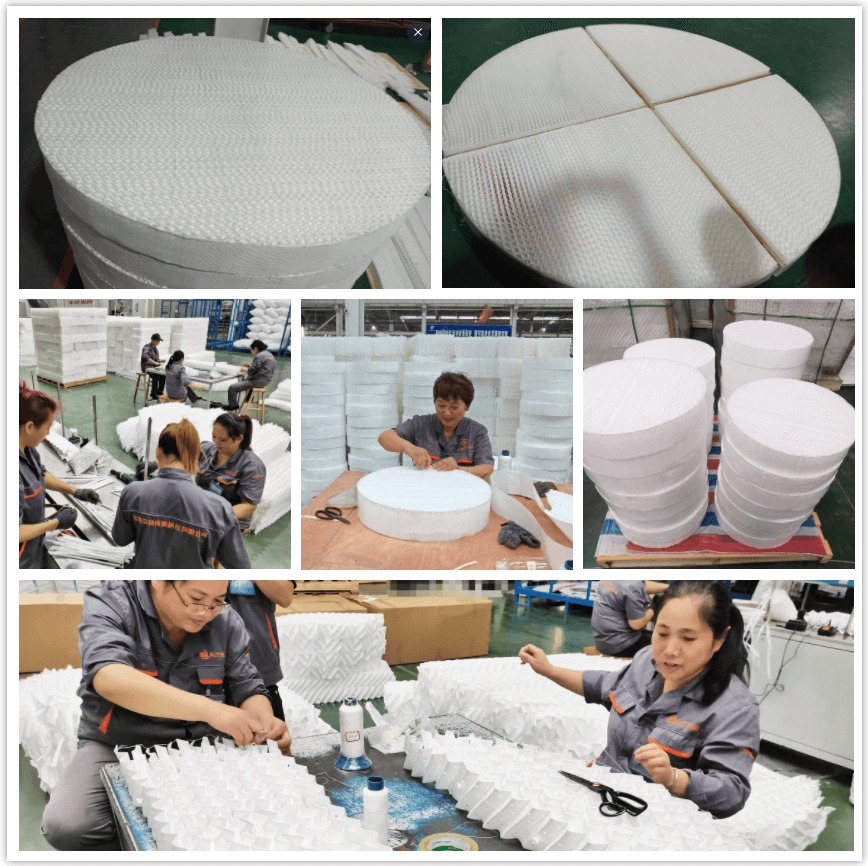
Compared with traditional trays, packing is often selected when lower pressure drop, higher capacity, or improved separation efficiency is required. Compared with random packing, structured packing and wire mesh packing usually provide more predictable flow paths and better vapor-liquid distribution, especially when the tower is properly designed and installed.
However, better packing does not automatically mean better performance. A clean vacuum tower, an atmospheric column, an absorber, a stripper, and a fouling-prone fractionator may all require different packing geometries. That is why distillation column packing selection should start with the service condition, not with the catalog model.
The Critical Metrics for Distillation Column Packing Selection
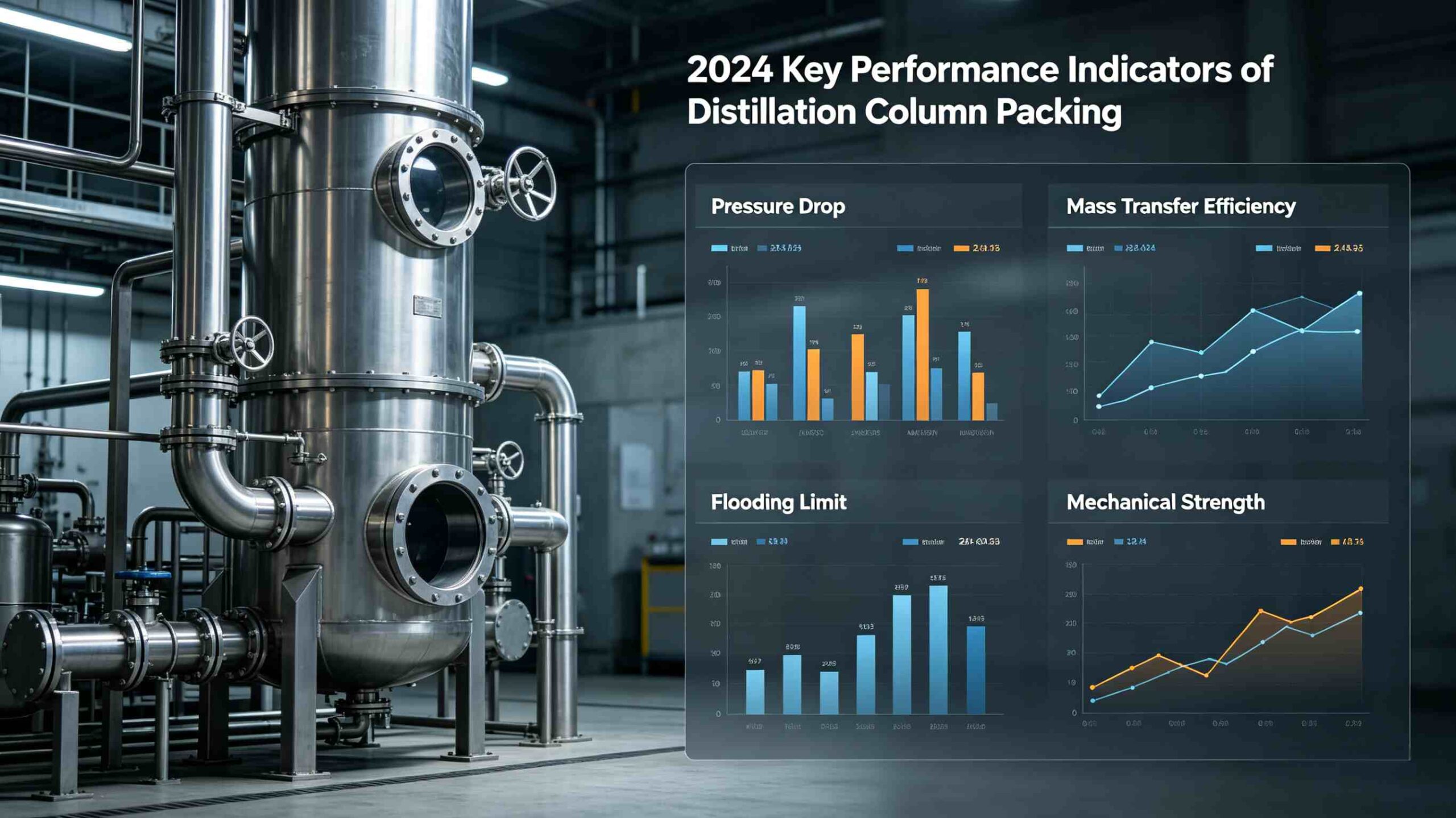
Many buyers compare packing only by material, model number, or surface area. That is where expensive mistakes begin. A packing with higher surface area may improve separation efficiency in a clean service, but it can also increase fouling risk in dirty systems. A low-pressure-drop option may perform well in a vacuum tower but fail early if the feed contains heavy ends or polymer precursors.
Key Terminology Definitions
HETP: Height Equivalent to a Theoretical Plate. A lower HETP generally means better separation efficiency per meter of packing height.
Pressure Drop: Resistance to vapor flow through the packing bed. Lower pressure drop is especially important in vacuum distillation and energy-sensitive systems.
Flooding Point: The operating limit where vapor and liquid flow become unstable, causing a sharp loss of separation performance.
Turndown Ratio: The ability of packing to maintain stable performance when operating below the design load.
Fouling Resistance: The ability of packing geometry to reduce blockage, deposits, and performance decline in dirty or heavy-component services.
Pressure Drop: The Energy and Capacity Metric
Pressure drop is one of the most important reasons buyers consider replacing outdated random packing or trays. In suitable clean-service applications, well-designed wire mesh packing can significantly reduce vapor resistance compared with conventional packing types. Lower pressure drop may help improve vacuum system stability, reduce compressor or reboiler burden, and increase usable operating margin.
If your tower is already operating close to capacity, even a moderate pressure drop reduction can create practical value. It may allow the plant to process more feed, reduce energy stress, or stabilize separation performance. However, the actual improvement depends on vapor load, liquid load, pressure, tower diameter, distributor condition, and service cleanliness.
HETP: The Separation Efficiency Metric
HETP helps engineers estimate how much packing height is needed to achieve a target separation. For revamp projects, this metric is especially important because the available column height is usually fixed. A more efficient packing may allow better separation within the same tower shell, but the benefit only appears when vapor-liquid distribution is stable.
This is why AYRTTER recommends checking both packing type and liquid distributor design together. A high-efficiency packing installed under a poor distributor may underperform, even when the packing itself is correctly manufactured.
Flooding Capacity: The Throughput Metric
Flooding capacity determines how close the column can operate to its vapor-liquid handling limit. In high-throughput systems, structured packing is often selected because it provides more organized flow channels and predictable hydraulic performance. A proper flooding margin helps protect the tower from unstable operation, entrainment, efficiency loss, and unplanned shutdowns.
If the goal is to increase capacity, buyers should not only ask for packing surface area. They should request hydraulic evaluation based on operating pressure, vapor density, liquid density, viscosity, surface tension, and feed composition. This is where experienced technical review matters.
Fouling Resistance: The Maintenance Metric
Fouling resistance is critical in systems containing heavy ends, suspended solids, polymer precursors, coking tendency, or dirty feed. High-efficiency dense packing may look attractive on paper, but it can become a maintenance problem if the service is not clean. In fouling-prone applications, open structured packing or grid-style packing may be safer than dense wire mesh packing.
The practical rule is simple: if the service is clean, efficiency and pressure drop can be prioritized. If the service is dirty, mechanical openness and cleanability become more important.
Structured Packing vs Wire Mesh Packing vs Random Packing

There is no universal “best” distillation column packing. The right choice depends on what problem the plant needs to solve. A vacuum column may need lower pressure drop. A capacity revamp may need higher hydraulic capacity. A dirty service may need better fouling tolerance. A fine chemical separation may need higher efficiency.
| Packing Type | Best For | Main Advantage | Main Risk | Selection Recommendation |
|---|---|---|---|---|
| Wire Mesh Packing | Clean vacuum service, high-efficiency separation, low liquid load | Very low pressure drop and high separation efficiency | Not ideal for fouling or dirty service | Choose when the service is clean and pressure drop is the main constraint. |
| Structured Packing | Capacity upgrades, refinery towers, absorbers, strippers, chemical columns | Balanced efficiency, capacity, and predictable hydraulic performance | Requires proper liquid distribution | Choose when you need a stable balance of capacity, efficiency, and operating flexibility. |
| Random Packing | Simple applications, small towers, less demanding separation duties | Easy replacement and lower initial complexity | Higher pressure drop and less predictable distribution | Choose only when performance requirements are moderate and tower efficiency is not the main issue. |
| Open Grid Packing | Fouling-prone service, heavy components, dirty systems | Better fouling tolerance and easier flow passage | Lower efficiency than dense high-performance packing | Choose when long run length and fouling control matter more than maximum efficiency. |
For many buyers, the most dangerous comparison is unit price only. A lower-cost packing can become expensive if it increases energy use, causes maldistribution, shortens cleaning cycles, or fails to meet separation targets. A better evaluation compares lifecycle cost, operating stability, installation time, maintenance risk, and expected performance under actual service conditions.
The AYRTTER 5-Step Distillation Column Packing Selection Framework
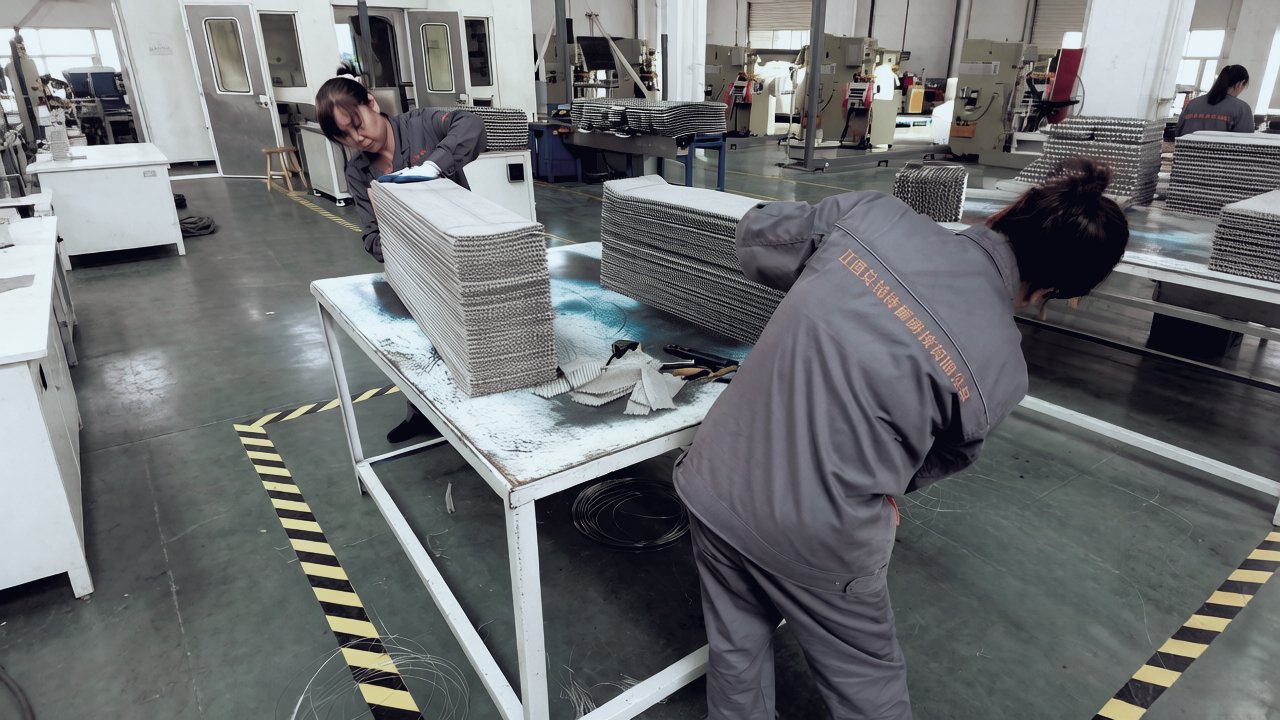
AYRTTER recommends evaluating distillation column packing as an engineering decision, not only a purchasing decision. The following framework helps buyers reduce selection risk before confirming a packing model.
Step 1: Identify the Real Operating Constraint
Before selecting packing, define the main problem. Is the tower suffering from high pressure drop, poor separation efficiency, flooding, unstable product purity, fouling, corrosion, or limited throughput? Each problem points to a different solution.
If pressure drop rises gradually over several months, fouling may be the real problem. If purity changes with feed rate, liquid distribution may be the hidden issue. If energy cost is too high in a vacuum system, lower-pressure-drop packing may be worth evaluating. A correct diagnosis prevents buyers from solving the wrong problem with the wrong packing.
Step 2: Match Packing Geometry to the Service
Clean vacuum services often benefit from high-efficiency wire mesh packing. General refinery and chemical towers often require structured packing with balanced hydraulic performance. Dirty services may require open geometry to reduce fouling risk. Highly corrosive applications require careful material selection before geometry is finalized.
Clean Vacuum Tower
Priority: low pressure drop and high efficiency. Recommended direction: wire mesh packing or high-efficiency structured packing.
Capacity Revamp
Priority: throughput and hydraulic stability. Recommended direction: structured packing with verified capacity margin.
Fouling-Prone Service
Priority: run length and cleanability. Recommended direction: open structured packing or grid-style packing.
Step 3: Confirm Material Compatibility
Packing material should match the chemical environment, operating temperature, chloride content, acid or alkali exposure, and corrosion allowance. Common options include stainless steel, duplex stainless steel, nickel alloys, titanium, and other special metals depending on the process condition.
For procurement teams, material certificates and traceability should be checked before shipment. For engineering teams, corrosion risk should be reviewed before final selection. Saving money on the wrong alloy is not saving money; it is simply moving the cost into future failure.
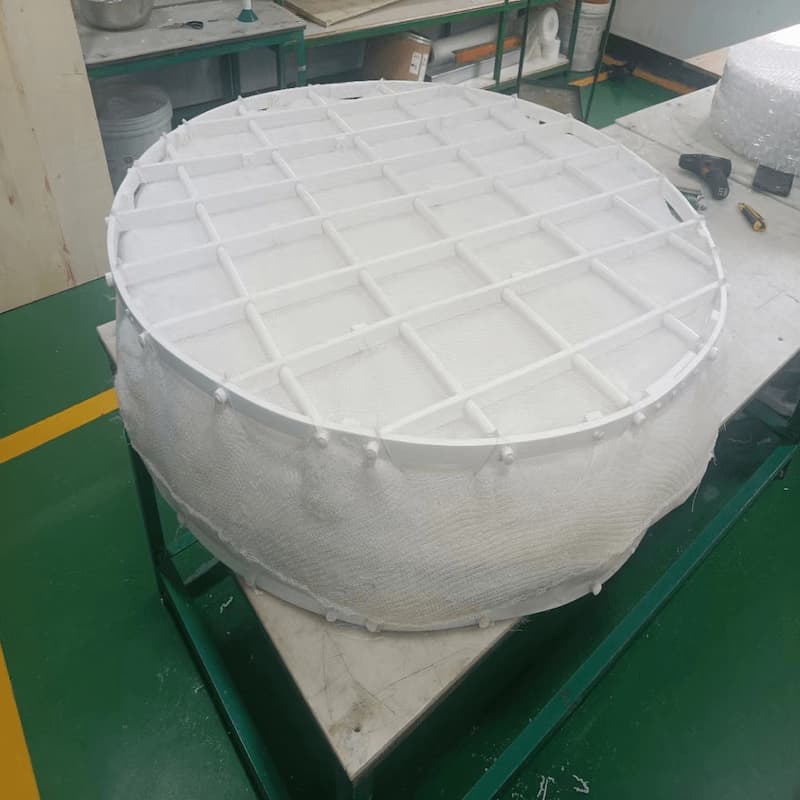
Step 4: Audit the Liquid Distributor
Packing performance depends heavily on liquid distribution. Even premium packing may fail to deliver expected efficiency if the distributor is poorly designed, not level, blocked, damaged, or unsuitable for the liquid load. In revamp projects, the distributor should be reviewed together with packing replacement.
If the plant is upgrading from random packing to structured packing, the distributor may also need to be upgraded. Structured packing is more sensitive to liquid distribution quality than many buyers expect.
Step 5: Request a Technical Proposal, Not Just a Quotation
A useful technical proposal should include recommended packing type, material, estimated hydraulic performance, installation notes, distributor considerations, inspection requirements, and applicable documentation. For complex projects, tower diameter, packing height, operating pressure, vapor rate, liquid rate, feed composition, and target separation performance should be shared with the supplier.
AYRTTER can support buyers by reviewing operating conditions and recommending a packing direction based on pressure drop, capacity, fouling risk, material compatibility, and installation constraints.
Common Buyer Mistakes When Selecting Distillation Column Packing
Mistake 1: Choosing Packing Only by Surface Area
A higher surface area does not always mean better performance. In clean services, it may improve separation efficiency. In dirty services, it may increase fouling risk and pressure drop faster than expected.
Mistake 2: Ignoring Liquid Distributor Condition
Poor liquid distribution is one of the most common reasons new packing fails to deliver expected performance. Before replacing packing, buyers should check distributor design, leveling, drip point density, blockage risk, and installation condition.
Mistake 3: Using Dense Packing in Fouling Service
Wire mesh packing can be excellent for clean low-pressure-drop applications, but it is not always suitable for systems containing heavy ends, suspended solids, polymer precursors, or fouling components.
Mistake 4: Comparing Purchase Price Instead of Lifecycle Cost
Lower upfront cost may lead to higher energy consumption, shorter run length, poor separation, and more frequent maintenance. For industrial separation projects, lifecycle performance usually matters more than the lowest unit price.
How to Choose the Right Distillation Column Packing
If your main problem is high pressure drop in a clean vacuum tower, choose wire mesh packing or another low-pressure-drop high-efficiency packing design. This direction is more suitable when the feed is clean, fouling risk is low, and energy or vacuum stability is the main concern.
If your project requires higher throughput, stable turndown, and balanced separation performance, choose structured packing. This is often the safer option for refinery, chemical, absorption, stripping, and revamp applications where both capacity and efficiency matter.
If your system contains heavy components, suspended solids, polymerizing materials, or fouling risk, avoid choosing dense packing only because of catalog efficiency. In these applications, open structured packing or grid-style packing may deliver more reliable long-term operation.
If your tower has unstable product purity after packing replacement, do not blame the packing immediately. Check liquid distributors, support plates, packing installation quality, vapor distribution, and operating load first. In many cases, the packing is not the only source of underperformance.
Technical Information Buyers Should Provide Before Quotation
A serious quotation for distillation column packing should not be based only on tower diameter and material. To make the selection more accurate, buyers should provide as much process information as possible.
| Information Needed | Why It Matters |
|---|---|
| Tower diameter and available packing height | Determines packing layout, capacity, pressure drop, and installation design. |
| Operating pressure and temperature | Affects vapor density, hydraulic performance, and material selection. |
| Vapor and liquid flow rates | Needed to estimate pressure drop, flooding margin, and operating window. |
| Feed composition and fouling tendency | Helps determine whether dense packing, structured packing, or open packing is safer. |
| Required separation target | Helps estimate efficiency requirement and packing height. |
| Existing distributor condition | Poor distribution can reduce the benefit of even high-quality packing. |
A Practical ROI View for Packing Replacement
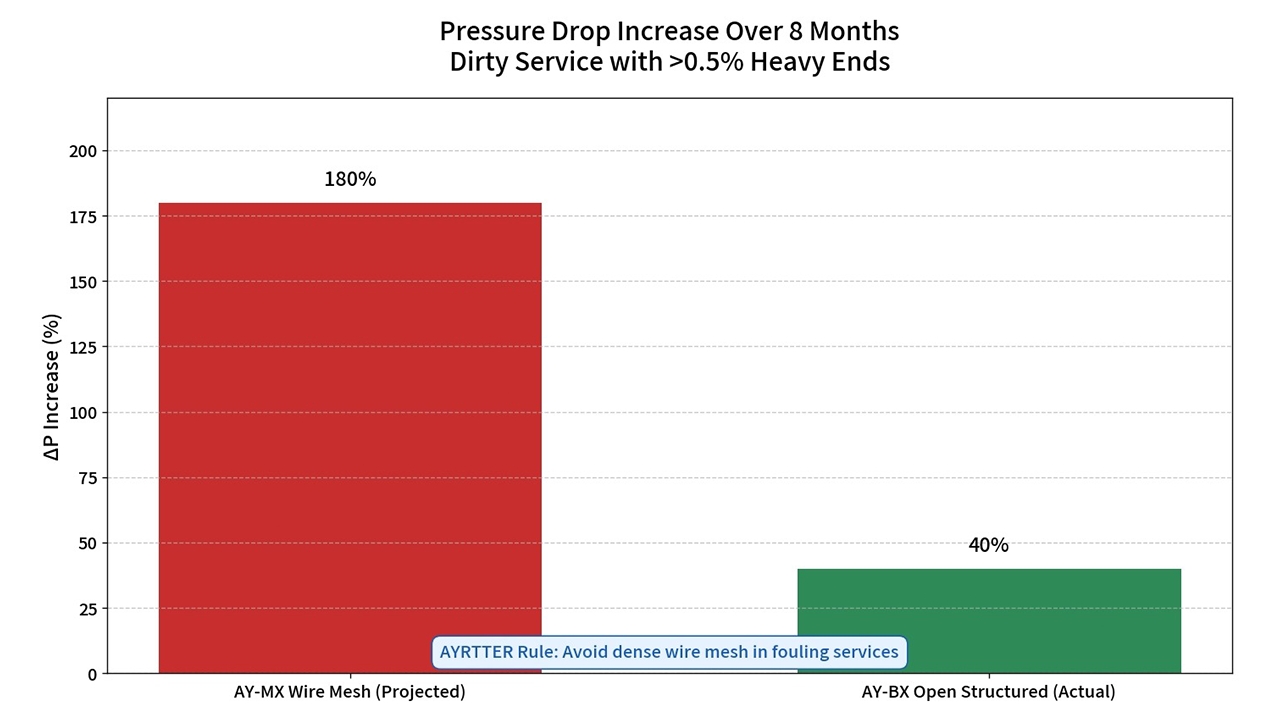
The return on a packing upgrade should be evaluated from several angles: pressure drop reduction, energy savings, separation stability, throughput improvement, maintenance interval, installation time, and shutdown risk. For some towers, the main value is lower energy use. For others, it is improved capacity or more stable purity. In fouling systems, the strongest value may be longer run length and fewer unplanned cleaning stops.
Practical Recommendation
Do not ask only, “What is the price per cubic meter?” A better question is, “Which packing design gives the best operating result under my real tower condition?” That one question separates basic purchasing from engineering-based procurement.
Final Note: The Safer Way to Select Distillation Column Packing
Successful distillation column packing selection is not about buying the most expensive or most efficient-looking product. It is about matching the packing geometry, material, distributor design, and operating window to the actual process constraint.
For clean vacuum service, low-pressure-drop wire mesh packing may be the right direction. For capacity upgrades and balanced operation, structured packing is often a safer choice. For fouling-prone systems, open structured packing or grid-style packing should be considered before dense high-efficiency packing. If you are not sure which direction fits your tower, AYRTTER can review your operating conditions and provide a more practical selection recommendation.
Frequently Asked Questions About Distillation Column Packing
What is the main purpose of distillation column packing?
The main purpose of distillation column packing is to increase vapor-liquid contact inside the tower so separation can occur more efficiently. Good packing helps improve mass transfer, reduce pressure drop, support stable operation, and achieve the required product purity.
When should I choose structured packing instead of random packing?
You should choose structured packing when the tower requires lower pressure drop, higher capacity, better separation efficiency, or more predictable hydraulic performance. Random packing may still be suitable for simple services, but structured packing is usually a better option for demanding refinery, chemical, and petrochemical applications.
Is wire mesh packing always the best option for reducing pressure drop?
Wire mesh packing can be an excellent option for reducing pressure drop in clean service, especially in vacuum distillation. However, it is not always suitable for fouling-prone or dirty systems. If the feed contains heavy ends, solids, or polymer precursors, open structured packing may be safer.
Why does liquid distributor design matter so much?
Liquid distributor design matters because packing performance depends on uniform liquid flow across the tower cross-section. Poor distribution can cause channeling, low efficiency, unstable purity, and underperformance even when the packing itself is correctly selected.
What information should I provide before requesting a packing quotation?
You should provide tower diameter, packing height, operating pressure, operating temperature, vapor flow rate, liquid flow rate, feed composition, fouling tendency, target separation requirement, material preference, and existing distributor condition. This information helps the supplier recommend a more suitable packing design.
Can AYRTTER support distillation column packing revamp projects?
Yes. AYRTTER can support distillation column packing revamp projects by reviewing operating conditions, recommending suitable packing types, checking material options, and helping buyers evaluate pressure drop, capacity, fouling risk, distributor condition, and installation constraints.
Need Help Reviewing Your Column Packing Selection?
If you are planning a column revamp, replacing old random packing, or comparing structured packing options, AYRTTER can review your operating conditions and recommend a suitable packing type based on pressure drop, capacity, material, fouling risk, and installation constraints.